
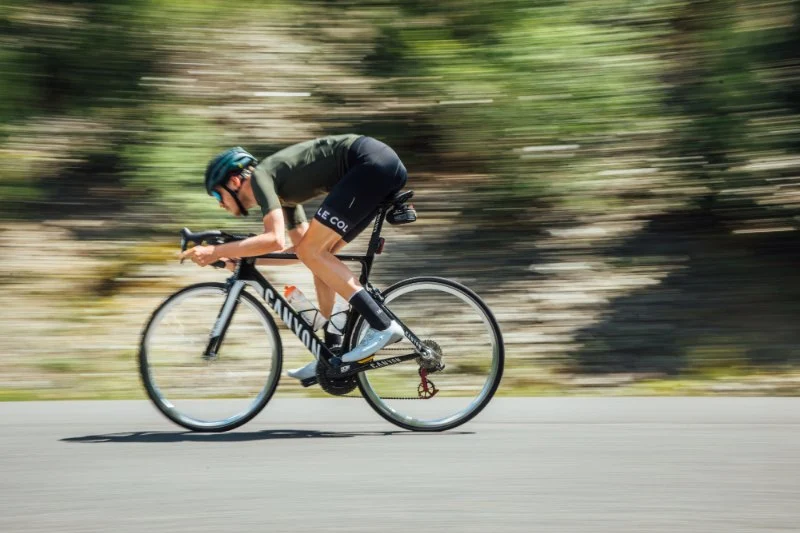
- 1 - Understanding Crank Arm Length and Its Impact on Cycling
- 2 - Why Crank Arm Length Matters for Cycling Efficiency
- 3 - Factors to Consider When Choosing Crank Arm Length
- 4 - How to Measure the Right Crank Arm Length for You
- 5 - Common Mistakes When Choosing Crank Arm Length
- 6 - Recommended Crank Arm Length for Different Cyclists
1. Understanding Crank Arm Length and Its Impact on Cycling
Crank arm length plays a significant role in cycling performance and comfort. It refers to the length of the metal arm connecting the pedal to the bike's bottom bracket. While this may seem like a small detail, the right crank arm length can make a world of difference in your cycling efficiency, pedaling comfort, and overall bike performance.
Crank arms come in various lengths, typically ranging from 165mm to 175mm, and choosing the correct size depends on multiple factors, including your leg length, riding style, and bike type. A proper fit can help you generate more power, reduce fatigue, and enhance your overall cycling experience.
2. Why Crank Arm Length Matters for Cycling Efficiency
The length of your crank arm directly affects how efficiently you cycle. A crank arm that is too short or too long can cause discomfort, decrease your pedaling efficiency, and potentially lead to injuries. Here's how the right crank arm length affects your cycling:
- Power Transfer: A crank arm that's too short may reduce your ability to push hard on the pedals, while a longer one could make pedaling harder at higher speeds.
- Pedal Stroke: The right length allows for a more efficient pedal stroke, helping you generate maximum power with less effort.
- Comfort: If your crank arms are the wrong size, you may experience knee strain or hip discomfort, making your ride less enjoyable.
Choosing the right crank arm length can make a huge difference in how comfortably and efficiently you pedal, especially on long rides or competitive events.
3. Factors to Consider When Choosing Crank Arm Length
Several factors determine the best crank arm length for your body and riding style. Here’s what you need to consider:
- Leg Length: The most significant factor is your inseam length. Cyclists with shorter legs may benefit from shorter crank arms (165mm), while taller cyclists with longer legs may find longer crank arms (175mm) more suitable.
- Riding Style: If you’re an endurance rider or road cyclist, shorter crank arms may be beneficial for comfort and efficiency. However, if you’re a sprinter or do mountain biking, longer crank arms may help you generate more power.
- Bike Type: The type of bike you ride also impacts crank arm length. Road bikes, mountain bikes, and time trial bikes may all require different sizes depending on the terrain and riding conditions.
By taking these factors into account, you can select the crank arm length that aligns with your body measurements and cycling goals, enhancing your performance and reducing strain.
4. How to Measure the Right Crank Arm Length for You
Measuring your crank arm length is a straightforward process. Here’s how you can determine which size will work best for you:
- Measure Your Inseam: Stand with your feet shoulder-width apart and use a measuring tape to measure from your crotch to the floor. This is your inseam measurement.
- Consult Crank Arm Size Charts: Use your inseam measurement to refer to recommended crank arm size charts. Generally, an inseam of 29" or less suggests shorter crank arms (165mm), while an inseam of 33" or more calls for longer crank arms (175mm).
- Adjust for Riding Style: If you do competitive racing or off-road biking, adjust your crank arm length choice to suit your needs—shorter for road cycling and longer for mountain biking or power-heavy rides.
Remember, if you're unsure about your crank arm size, consulting with a cycling professional or bike fitter can help you make the most accurate decision.
5. Common Mistakes When Choosing Crank Arm Length
Choosing the wrong crank arm length can lead to discomfort and inefficiency. Here are some common mistakes cyclists make when selecting crank arms:
- Choosing Based Only on Height: While height is important, inseam length and riding style matter much more when determining crank arm length.
- Not Considering Riding Terrain: Cyclists who primarily ride on hilly terrain may need different crank arm lengths than those who cycle on flat roads.
- Ignoring Comfort: If you experience discomfort or knee strain, your crank arm length might not be right. Don’t hesitate to adjust it if needed.
Being mindful of these mistakes will ensure you select the most comfortable and efficient crank arm length for your cycling needs.
6. Recommended Crank Arm Length for Different Cyclists
The right crank arm length varies depending on the type of cyclist you are. Here are some general recommendations:
- Road Cyclists: Cyclists focused on speed and efficiency often prefer shorter crank arms (165mm to 170mm) to optimize pedaling cadence and comfort.
- Mountain Bikers: For off-road cyclists, longer crank arms (170mm to 175mm) can offer more power and control over rough terrain.
- Time Trialists: Time trial cyclists typically use shorter crank arms (165mm) to improve cadence and aerodynamic positioning.
Whatever type of cycling you do, understanding your unique body mechanics and riding style will help you choose the optimal crank arm length for maximum performance.

 Stage 2 Cyclery4.0 (42 reviews)
 Georgetown Cyclewerx5.0 (282 reviews)
 Napa Velo4.0 (58 reviews)
 Seattle Electric Bike - Eastside4.0 (85 reviews)
 Mendoza's Bike Shop4.0 (69 reviews)
 Mr Angel E-bikes lll5.0 (6 reviews)
 How to Teach Kids to Ride a Bike: A Step-by-Step Guide for Parents
 Tips for Riding on Busy City Streets: Smart Strategies for Urban Cyclists
 Best US National Parks for Mountain Biking: Ride Epic Trails Across America
 Best Aero Helmets for Time Trials and Racing
 How to Clean and Lubricate Your Bike Chain Like a Pro
 10 Must-Have Items for Long-Distance Cycling Trips