1. Common Bike Maintenance Mistakes
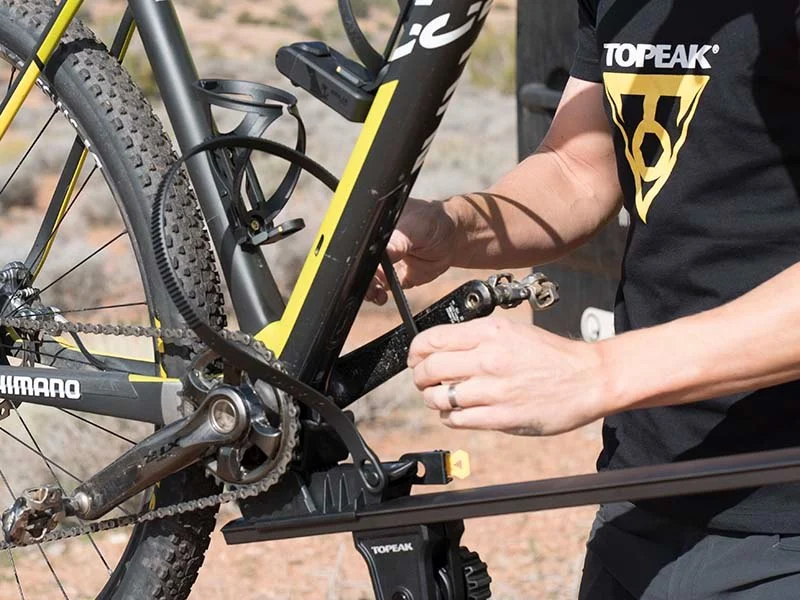
For new bike riders, learning how to properly maintain your bike is essential to avoid costly repairs and ensure a smooth ride. Many beginners make simple yet avoidable mistakes that can significantly impact their bike’s performance. In this article, we’ll explore some of the most common bike maintenance mistakes new riders make and how to prevent them.
2. Overlooking Tire Pressure
One of the most common mistakes made by new riders is neglecting tire pressure. Under-inflated tires can make pedaling harder and decrease your bike's efficiency, while over-inflated tires increase the risk of a blowout. Ensuring your tires are at the proper pressure not only ensures a smoother ride but also improves your safety on the road.
2.1 How to Check Tire Pressure
Checking tire pressure is simple. Use a reliable tire pressure gauge to measure the PSI (pounds per square inch). Most bikes will have a recommended PSI range printed on the side of the tire. Make sure to check the tire pressure before every ride, especially if your bike has been sitting unused for a while.
3. Neglecting Chain Maintenance
The chain is one of the most crucial parts of your bike. Neglecting chain maintenance can lead to poor shifting performance, increased wear, and even chain failure. Regular cleaning, lubricating, and adjusting your chain will extend its lifespan and ensure smoother gear transitions.
3.1 How to Maintain Your Bike Chain
To maintain your bike chain, clean it regularly using a degreaser and a brush to remove dirt and grime. After cleaning, apply a high-quality chain lubricant to ensure the chain runs smoothly. Be sure to wipe off any excess lubricant, as this can attract more dirt. Regularly check for wear and replace the chain if necessary.
4. Ignoring Brake Adjustments
Brakes are essential for your safety, and improper brake maintenance can lead to dangerous situations. New riders often overlook brake adjustments, not realizing that misaligned or worn-out brake pads can severely impact stopping power.
4.1 How to Check and Adjust Brakes
To ensure your brakes are working properly, regularly check the brake pads for wear. If they are worn down, replace them immediately. You should also check for proper brake alignment. If your brake pads are too close to the rim or the disc, they may rub, causing inefficient braking. Adjust them so that the pads sit correctly and evenly against the rim or disc.
5. Neglecting Regular Bike Cleaning
Another common mistake is failing to clean the bike regularly. Dirt, mud, and debris can build up on the bike, affecting its performance and leading to rust and other damage over time. Regular cleaning helps to maintain your bike’s condition and keeps it running smoothly.
5.1 How to Clean Your Bike
To clean your bike, use a soft cloth and a mild soap solution to wipe down the frame. Pay special attention to the drivetrain (chain, cassette, and chainrings) to prevent dirt buildup. You can also use a bike-specific cleaning tool or degreaser for the drivetrain. Always dry the bike thoroughly after cleaning to prevent rust.
6. Over-tightening or Loosening Components
Many new riders mistakenly either over-tighten or under-tighten the bolts on their bike’s components. Over-tightening can cause damage to the parts, while under-tightening can result in loose components, leading to safety issues and poor bike performance.
6.1 How to Tighten Bike Components
When tightening components like handlebars, seat posts, or wheels, it’s important to use the correct torque specifications. A torque wrench is a helpful tool to ensure you are tightening the bolts to the recommended pressure. Always refer to the bike manual for specific torque values.
7. How Cycling Guider Can Help
At Cycling Guider, we offer a wide range of products, including bike maintenance tools and accessories, to help you keep your bike in top condition. Whether you’re looking for high-quality tire pumps, chain lubricants, or cleaning kits, we have everything you need to prevent common bike maintenance mistakes and enhance your riding experience. Visit our website for more details on the best products for bike care.


 Pedego Electric Bikes Walled Lake4.0 (28 reviews)
 Montlake Bicycle Shop4.0 (223 reviews)
 OK Spoke Bicycle Shop5.0 (13 reviews)
 Bob's Bicycle Shop4.0 (839 reviews)
 Trek Bicycle Massapequa4.0 (274 reviews)
 Pima Street Bicycle4.0 (157 reviews)
 How to Teach Kids to Ride a Bike: A Step-by-Step Guide for Parents
 Tips for Riding on Busy City Streets: Smart Strategies for Urban Cyclists
 Best US National Parks for Mountain Biking: Ride Epic Trails Across America
 Best Aero Helmets for Time Trials and Racing
 How to Clean and Lubricate Your Bike Chain Like a Pro
 10 Must-Have Items for Long-Distance Cycling Trips