
- 1- Importance of Bike Frame Inspection
- 2- Steps to Check for Cracks on Bike Frame
- 3- Identifying Hidden Damage
- 4- Common Bike Frame Issues and How to Handle Them
- 5- When to Seek Professional Help
1. Importance of Bike Frame Inspection
Ensuring your bike frame is free from cracks and hidden damage is crucial for both your safety and the longevity of your bike. A compromised frame can lead to accidents, injuries, or costly repairs if not detected early. Whether you're a competitive cyclist or a casual rider, regular frame checks should be part of your maintenance routine. Not only does this prevent accidents, but it also helps you enjoy your cycling experience to the fullest.
2. Steps to Check for Cracks on Bike Frame
Checking your bike frame for visible cracks is a relatively simple task that can be done in a few steps. Here's how you can do it:
- Visual Inspection: Start by inspecting the frame visually. Look for any visible cracks or dents, especially around high-stress areas such as the bottom bracket, head tube, and rear triangle.
- Frame Flex: Gently press on the frame while inspecting it. If it flexes unusually or creaks, it might indicate a hidden crack.
- Use a Magnifying Glass: For a more detailed check, use a magnifying glass to look closely at the welds and joints. Small cracks can often be hard to see with the naked eye.
- Light Test: A flashlight can help spot cracks that are not visible in regular lighting. Shine the light at an angle to reveal any imperfections.
3. Identifying Hidden Damage
Hidden damage on a bike frame can be difficult to detect, but it’s just as important as checking for visible cracks. Here are some tips to uncover hidden issues:
- Stress Marks: Look for any unusual marks, paint chips, or discoloration around joints. These may be signs of internal damage caused by stress or impact.
- Sound Check: Listen for any odd sounds, such as creaking, while riding or handling your bike. Creaks can sometimes point to cracks or issues inside the frame.
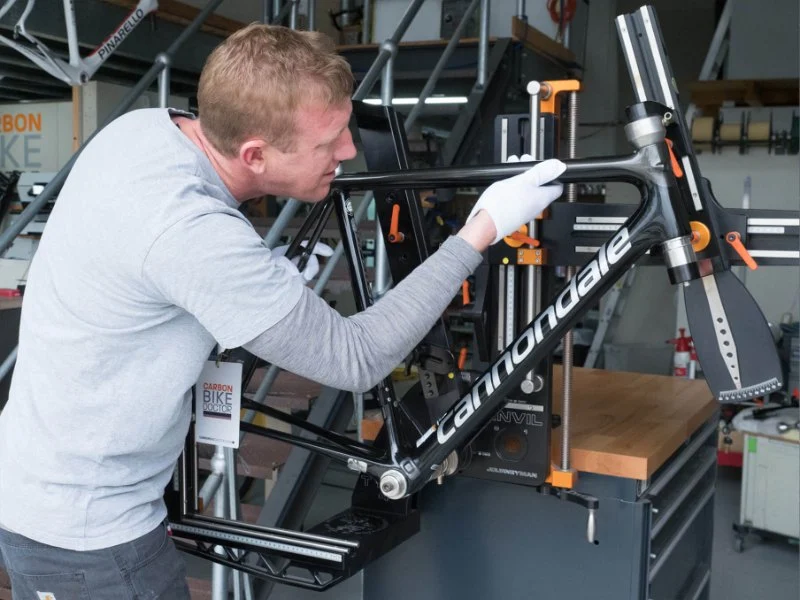
- Use a Frame Alignment Tool: Specialized tools can be used to check for alignment issues in the frame. Misalignment can be a sign of hidden structural damage.
4. Common Bike Frame Issues and How to Handle Them
Bike frames can develop various issues over time. Understanding the most common problems can help you address them early. Some of the typical issues include:
- Cracked Welds: The welds on your frame, especially around the joints, are critical for the bike's overall strength. If you spot a crack in the weld, the bike is no longer safe to ride, and you may need to replace or repair the frame.
- Corrosion: Rust and corrosion can weaken the frame, especially on older bikes or those exposed to harsh weather conditions. Regular cleaning and protection can prevent corrosion.
- Frame Dents: Dents in the frame can sometimes be harmless, but they may weaken the structure of the frame. Always inspect the dented area closely, and if it’s near the joints or tubing, consider replacing the frame.
5. When to Seek Professional Help
Sometimes, a thorough inspection requires professional expertise, especially if you’re unsure about what you're looking for. If you notice any of the following, it’s time to visit a bike shop:
- Structural Damage: If the frame shows clear signs of deep cracks or misalignment, seek professional help immediately. Riding with structural damage can be dangerous.
- Unusual Noises: Persistent creaks or pops that you can't locate might require a professional assessment to diagnose hidden issues.
- Complex Repairs: Certain repairs, like welding or internal frame inspections, should be handled by experts to ensure the safety and integrity of the bike.
By staying proactive with your bike's maintenance and regularly inspecting the frame, you can prevent accidents and enjoy safer, longer rides. And if you're looking for the best products and services to keep your bike in top shape, visit Cycling Guider for expert recommendations on bike repairs, accessories, and more.





 Two Wheeler Dealer Bicycles4.0 (70 reviews)
 Wicked Thumb Electrocycles of Dallas0.0 (0 reviews)
 J & M Bike Shop3.0 (65 reviews)
 Apalachee Cycle4.0 (212 reviews)
 Bicycle Nerd Elite4.0 (43 reviews)
 DAD'S EBIKES0.0 (0 reviews)
 How to Teach Kids to Ride a Bike: A Step-by-Step Guide for Parents
 Tips for Riding on Busy City Streets: Smart Strategies for Urban Cyclists
 Best US National Parks for Mountain Biking: Ride Epic Trails Across America
 Best Aero Helmets for Time Trials and Racing
 How to Clean and Lubricate Your Bike Chain Like a Pro
 10 Must-Have Items for Long-Distance Cycling Trips