
Gravel vs. Road vs. Mountain Bikes: Which Is Right for Your Riding Style?
- 1. Understanding the Differences Between Bike Types
- 2. Gravel Bikes
- 3. Road Bikes
- 4. Mountain Bikes
- 5. Choosing the Right Bike for You
- 6. Cycling Guider Products
1. Understanding the Differences Between Bike Types
When it comes to cycling, choosing the right bike is crucial to enhance your riding experience. Different bikes are designed for specific types of terrain, riding styles, and purposes. Whether you're an urban commuter, a gravel explorer, or a mountain trail enthusiast, knowing the differences between gravel, road, and mountain bikes will help you make an informed decision.
Each type of bike has its own set of strengths and weaknesses. Understanding these will help you select the bike that best suits your preferences. Let’s dive into the specifics of each bike type, starting with the increasingly popular gravel bike.
2. Gravel Bikes
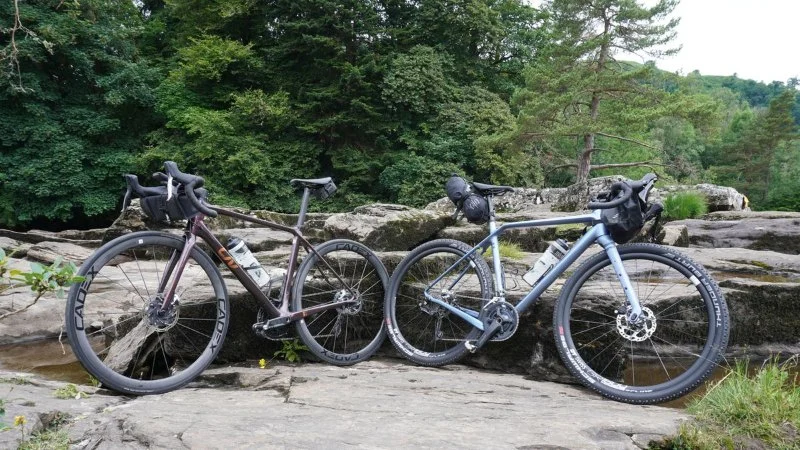
Gravel bikes are the versatile heroes of the cycling world. Designed for riders who want to tackle a variety of terrains, they bridge the gap between road bikes and mountain bikes. Gravel bikes are perfect for riders who enjoy both pavement and dirt roads, offering the best of both worlds.
What sets gravel bikes apart is their larger tires and more relaxed geometry. These bikes provide a smoother, more comfortable ride on unpaved roads, with better stability than road bikes. Their versatility makes them ideal for adventure cyclists, long-distance tours, or even gravel racing.
For example, many cyclists who participate in events like the Dirty Kanza or Grinduro rely on gravel bikes to handle the mixed terrain of gravel roads and mountain trails. The added comfort and control allow for a more enjoyable and less strenuous ride, especially over long distances.
3. Road Bikes
Road bikes are designed for speed and efficiency on smooth, paved surfaces. They are the go-to choice for competitive cyclists, road racers, or anyone looking to ride long distances on well-maintained roads. Road bikes feature lightweight frames, thin tires, and an aerodynamic design that maximizes speed and performance.
The main advantage of road bikes is their speed. Whether you’re racing against time or simply enjoying a fast ride, road bikes are built to help you cover more distance in less time. However, their efficiency comes at a cost: they are less suited for rough terrain or off-road riding. Their narrow tires make them vulnerable to punctures and provide minimal traction on gravel or dirt paths.
Consider this: if you're a commuter who mainly rides on city streets or someone who enjoys road racing, a road bike is your best option. Its responsiveness and lightweight nature will provide the performance you need on the road.
4. Mountain Bikes
Mountain bikes are built to withstand the toughest terrains, from rocky trails to steep hills. With their robust frames, wide tires, and suspension systems, mountain bikes are designed to provide maximum control, stability, and durability on rough surfaces.
Mountain bikes excel in technical off-road riding. Whether you're traversing a rugged trail, tackling steep inclines, or navigating loose gravel, these bikes can handle it all. Their design focuses on comfort and control, with features like shock absorption and knobby tires that provide grip on uneven terrain.
However, mountain bikes are typically heavier than road or gravel bikes, which can make them less efficient on smooth, paved roads. If you’re someone who primarily rides on trails or enjoys mountain biking as a hobby, a mountain bike will offer the performance and durability you need.
5. Choosing the Right Bike for You
Now that you know the basics of gravel, road, and mountain bikes, the next step is to assess your riding style and needs. Here are a few questions to help guide your decision:
- What type of terrain do you ride on most? If you're mostly riding on paved roads, a road bike may be your best bet. If you like to explore gravel paths or trails, a gravel bike will provide the right balance of comfort and performance. For off-road adventuring, a mountain bike is your go-to.
- How important is speed to you? If speed is a priority, road bikes are designed for maximum efficiency. Gravel bikes are a bit slower but still fast enough for many riders, while mountain bikes are the slowest on pavement.
- What is your budget? While road and gravel bikes can be found in a range of prices, mountain bikes tend to be more expensive due to their specialized features. Determine your budget and find a bike that offers the best performance for your price range.
6. Cycling Guider Products
At Cycling Guider, we offer a wide range of bicycles and accessories tailored to different riding styles. Whether you’re in the market for a gravel, road, or mountain bike, we have the perfect selection to suit your needs. Our expert team can help you find the best bike based on your preferences and riding goals.
Visit Cycling Guider to check out our curated selection of high-quality bikes and accessories, designed to enhance your cycling experience and ensure you ride in comfort and style.





 Bike Emporium4.0 (742 reviews)
 The Bike Shop @ Woodward4.0 (122 reviews)
 Bikesport4.0 (157 reviews)
 Poway Bicycle4.0 (140 reviews)
 bikes@vienna4.0 (77 reviews)
 Roberio Cycling Lab4.0 (27 reviews)
 How to Teach Kids to Ride a Bike: A Step-by-Step Guide for Parents
 Tips for Riding on Busy City Streets: Smart Strategies for Urban Cyclists
 Best US National Parks for Mountain Biking: Ride Epic Trails Across America
 Best Aero Helmets for Time Trials and Racing
 How to Clean and Lubricate Your Bike Chain Like a Pro
 10 Must-Have Items for Long-Distance Cycling Trips