
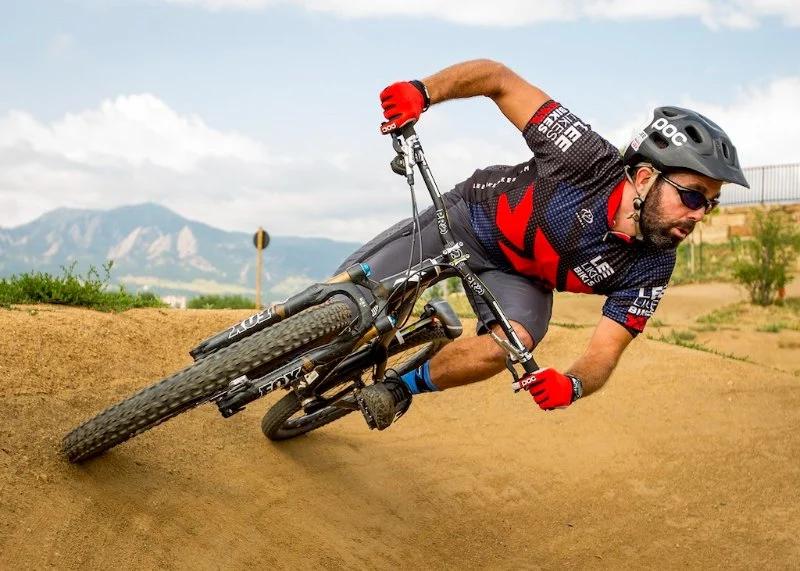
- Why Cornering on Loose Gravel is Difficult
- Essential Skills for Cornering on Gravel
- Key Techniques for Mastering Cornering on Gravel
- Handling Mistakes and Recovery
- Real-Life Example: A Cyclist’s Journey to Mastering Gravel Cornering
Why Cornering on Loose Gravel is Difficult
Cornering on loose gravel presents unique challenges due to the lack of traction between the tires and the surface. Gravel is unpredictable, and its loose nature makes it hard to maintain control while navigating turns. Unlike asphalt or hard-packed dirt, gravel can shift under pressure, causing your bike to slide or lose grip. The instability of gravel requires heightened skill, precision, and confidence to execute smooth, controlled corners without losing balance.
Essential Skills for Cornering on Gravel
Before mastering cornering techniques, it’s important to build a foundation of essential bike handling skills. These skills help maintain control and stability on loose surfaces, which are crucial for safe cornering on gravel:
1. Bike Handling and Control
Developing the ability to keep your bike stable and controlled is key. This involves understanding how your body weight affects the bike and how to shift it to maintain balance. Practice riding on loose surfaces and slowly introduce more challenging terrain to improve your handling.
2. Braking Techniques
Braking on gravel is different from on asphalt. Hard braking on loose surfaces can cause your wheels to lock up and lead to a loss of control. Learning how to brake gently and progressively is essential. Practice feathering your brakes before a corner to reduce speed without losing traction.
3. Body Positioning
Your body positioning plays a crucial role in cornering on gravel. To maintain control, lean your body slightly into the turn, but avoid over-leaning. Keep your arms and legs relaxed, with your weight evenly distributed to provide stability while navigating the corner.
Key Techniques for Mastering Cornering on Gravel
Now that you have the essential skills, here are some key techniques to help you corner effectively and safely on loose gravel:
1. Look Ahead and Plan Your Line
Always look ahead to the exit of the turn. This helps you visualize the ideal line and prepare for any changes in the gravel’s texture. By planning your line, you can anticipate and adjust for gravel shifts or loose patches.
2. Set Up Wide and Exit Wide
In gravel cornering, taking a wider line at the entry and exiting wider helps you maintain momentum and control. A wide entry allows you to stay more upright as you approach the turn, reducing the chances of losing traction as you lean into it. Exiting wide gives you space to correct your line if needed.
3. Maintain Consistent Pedal Pressure
When cornering on gravel, try to maintain consistent pedal pressure throughout the turn. Sudden changes in pedal pressure can cause your rear wheel to lose grip, especially on loose surfaces. Smooth and consistent pedaling helps maintain traction and balance.
4. Keep Your Speed in Check
One of the biggest mistakes riders make is entering a corner too quickly. On gravel, high speeds make it much harder to maintain control. Reduce your speed before entering the turn and focus on a smooth, controlled approach. You can gradually build speed as you become more comfortable with your handling skills.
5. Use Your Hips and Knees
While turning on gravel, use your hips and knees to help steer the bike. This technique helps you guide the bike through the turn while keeping your center of gravity low and stable. Think of your body as an extension of the bike, allowing for better control and smoother transitions during the cornering process.
Handling Mistakes and Recovery
Even the most experienced riders make mistakes while cornering on gravel. It’s important to stay calm and focus on recovery techniques:
1. Oversteering
If you feel like you’re oversteering or losing control during a corner, try to straighten your bike slightly without jerking the handlebars. Ease off the brakes, maintain a smooth pedal stroke, and focus on regaining traction.
2. Sliding
If you start to slide, remain relaxed and let the bike recover naturally. Avoid panicking and overcorrecting, as this can make the situation worse. Instead, keep your weight centered, apply gentle braking, and allow the bike to regain its grip.
3. Lack of Traction
If you experience a lack of traction on loose gravel, try to shift your weight slightly backward. This can help redistribute weight and prevent the front tire from sliding out. Avoid turning too sharply until your bike regains traction.
Real-Life Example: A Cyclist’s Journey to Mastering Gravel Cornering
John, an avid cyclist from Arizona, struggled with cornering on loose gravel when he first started riding on gravel roads. He often found himself losing control, especially when entering corners too quickly. After consulting with a cycling coach, John focused on improving his body position and braking technique. He practiced cornering on easier gravel roads and gradually built his confidence. Over time, John’s ability to corner smoothly improved, and he was able to handle more challenging gravel corners with ease. His experience highlights the importance of practice, patience, and proper technique when mastering gravel cornering.
For cyclists looking to improve their gravel biking skills, Cycling Guider offers expert advice, tips, and the best cycling gear to help you ride confidently on gravel roads.

 Carousel E-Bikes Ebikes5.0 (3 reviews)
 Hollywood Bicycle Shop4.0 (120 reviews)
 South Shore Bicycle and Fitness4.0 (74 reviews)
 Bikesource Highlands Ranch4.0 (610 reviews)
 Neighborhood Bike Shop - Greenhaven4.0 (74 reviews)
 Kingston Cyclery4.0 (42 reviews)
 How to Teach Kids to Ride a Bike: A Step-by-Step Guide for Parents
 Tips for Riding on Busy City Streets: Smart Strategies for Urban Cyclists
 Best US National Parks for Mountain Biking: Ride Epic Trails Across America
 Best Aero Helmets for Time Trials and Racing
 How to Clean and Lubricate Your Bike Chain Like a Pro
 10 Must-Have Items for Long-Distance Cycling Trips