
- 1. Understanding Upper Body Fatigue on Long Rides
- 2. Causes of Upper Body Fatigue
- 3. How to Prevent Upper Body Fatigue
- 4. Improving Your Cycling Posture
- 5. Choosing the Right Cycling Gear for Comfort
- 6. Cycling Guider Recommendations
1. Understanding Upper Body Fatigue on Long Rides
Upper body fatigue is a common issue for cyclists, especially on long rides. It can affect various muscle groups, including your shoulders, arms, wrists, and back. This type of fatigue can lead to discomfort, pain, and decreased performance, making it difficult to enjoy cycling or complete your ride comfortably.
Understanding the factors that contribute to upper body fatigue is the first step in finding ways to prevent it. By recognizing the common causes of upper body stress during cycling, you can take measures to alleviate it and improve your overall cycling experience.
2. Causes of Upper Body Fatigue
There are several factors that can lead to upper body fatigue during cycling. These factors are often interrelated, so addressing one area can help reduce the overall strain on your upper body:
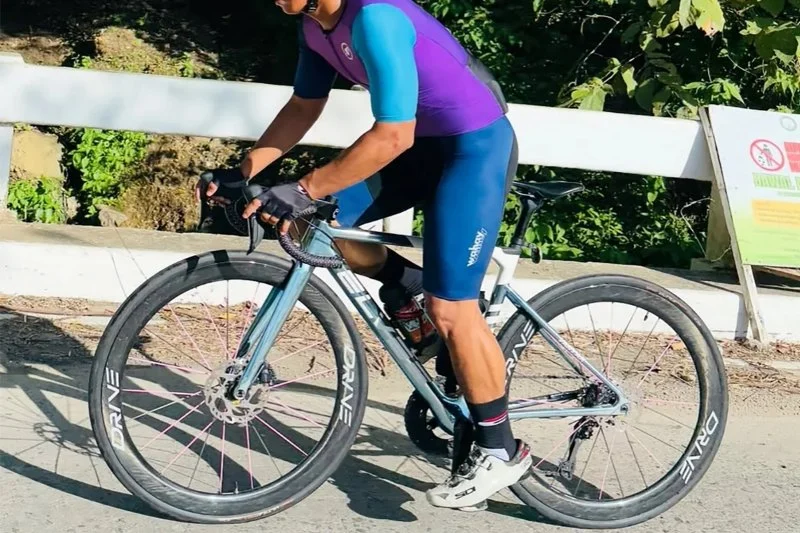
- Poor Posture: Slouching or leaning too far forward while cycling can put a strain on your back, shoulders, and arms, leading to discomfort and fatigue.
- Incorrect Handlebar Height: If your handlebars are too low or too high, it can force your upper body into an unnatural position, causing unnecessary strain on your arms and back.
- Weak Core Muscles: Your core plays a crucial role in stabilizing your body while cycling. Weak core muscles can lead to compensating with your upper body, increasing the likelihood of fatigue.
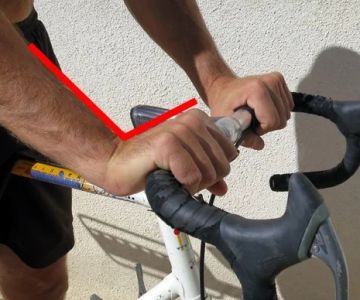
- Overuse of Arms and Hands: Gripping the handlebars too tightly or relying too much on your arms for support can cause muscle fatigue in your shoulders, arms, and wrists.
- Improper Bike Fit: A bike that doesn’t fit your body properly can cause misalignment, leading to discomfort and strain on your upper body muscles.
By identifying these causes, you can focus on specific areas to improve and reduce fatigue during long rides.
3. How to Prevent Upper Body Fatigue
Preventing upper body fatigue starts with proper techniques and habits. Here are some steps you can take to reduce strain and increase comfort during long cycling sessions:
- Adjust Your Bike Fit: Ensure your bike is properly fitted to your body. A professional bike fitting can help ensure your handlebars, seat, and pedals are at the correct height and position to minimize strain.
- Strengthen Your Core: A strong core helps stabilize your body and reduce the reliance on your upper body. Incorporate core exercises like planks, crunches, and leg raises into your fitness routine to improve cycling posture and endurance.
- Relax Your Grip: Avoid gripping the handlebars too tightly. Instead, keep a relaxed grip and try to distribute your weight evenly across your body. This will reduce tension in your wrists, arms, and shoulders.
- Take Regular Breaks: On long rides, be sure to take breaks to stretch and relax your upper body. A short rest can give your muscles time to recover and help prevent fatigue from building up.
By following these steps, you can reduce the risk of upper body fatigue and enjoy longer, more comfortable rides.
4. Improving Your Cycling Posture
Proper posture is one of the most important factors in preventing upper body fatigue. Here are some tips to improve your posture on the bike:
- Maintain a Straight Back: Keep your back straight and avoid slouching. This will help distribute your weight evenly and reduce strain on your upper body.
- Engage Your Core: A strong core helps you maintain proper posture and prevents your upper body from leaning too far forward. Make a conscious effort to engage your core muscles throughout your ride.
- Relax Your Shoulders: Avoid tensing your shoulders or hunching them up toward your ears. Keep your shoulders relaxed and down to prevent unnecessary strain.
Good posture not only helps prevent upper body fatigue but also improves overall cycling efficiency, allowing you to ride longer and faster with less effort.
5. Choosing the Right Cycling Gear for Comfort
Your cycling gear plays a major role in preventing fatigue. Here are some gear-related tips to help you stay comfortable during long rides:
- Invest in a Quality Saddle: A comfortable saddle can help reduce pressure on your lower back and pelvis, allowing you to focus on your upper body. Look for a saddle that suits your riding style and body type.
- Wear Padded Cycling Gloves: Padded gloves reduce the amount of pressure on your hands and wrists, helping prevent numbness and fatigue.
- Choose Proper Cycling Shoes: Shoes that fit well and offer good support will prevent unnecessary strain on your feet and lower legs, allowing you to conserve energy for your upper body.
By selecting the right gear, you can enhance comfort and minimize upper body fatigue, making long rides more enjoyable.
6. Cycling Guider Recommendations
If you're looking for expert advice and top-quality cycling gear, visit Cycling Guider. We offer a wide selection of bikes, accessories, and apparel designed to improve your riding experience. From professional bike fittings to top-rated saddles and gloves, we have everything you need to reduce fatigue and enjoy your ride to the fullest.



 evo Seattle4.0 (1047 reviews)
 Annapolis Velo4.0 (84 reviews)
 Hilltop Bicycles New Jersey - Summit4.0 (282 reviews)
 SalmonBerry Cycle5.0 (1 reviews)
 Brock Ebikes LLC5.0 (76 reviews)
 JRA Cycles4.0 (349 reviews)
 How to Teach Kids to Ride a Bike: A Step-by-Step Guide for Parents
 Tips for Riding on Busy City Streets: Smart Strategies for Urban Cyclists
 Best US National Parks for Mountain Biking: Ride Epic Trails Across America
 Best Aero Helmets for Time Trials and Racing
 How to Clean and Lubricate Your Bike Chain Like a Pro
 10 Must-Have Items for Long-Distance Cycling Trips