
- understanding-brake-burn-on-steep-descents
- body-position-and-speed-control
- smart-braking-techniques-for-long-downhills
- equipment-choices-that-protect-your-brakes
- real-rider-experience-on-a-mountain-descent
- long-term-brake-care-and-maintenance
1. Understanding Brake Burn on Steep Descents
Learning how to ride a steep downhill without burning out brakes is an essential skill for both new and experienced cyclists. Long descents create friction and heat, and if brakes are used incorrectly for extended periods, they can lose power or even fail. This situation is especially common on mountain roads, gravel routes, and scenic downhill passes across the United States.
1.1 What Causes Brake Overheating
When riders hold their brake levers continuously, friction builds rapidly. Over time, this heat can glaze brake pads, reduce stopping power, and make handling unpredictable. On extended descents, especially those lasting several minutes, the risk becomes much higher.
1.2 Why Technique Matters More Than Strength
Many cyclists assume that squeezing harder keeps them safer. In reality, proper control comes from technique. Learning when to brake, when to release, and how to manage speed prevents overheating and keeps braking performance consistent throughout the descent.
2. Body Position and Speed Control
Before even touching the brakes, your body position plays a major role in controlling speed. A stable posture reduces the need for constant braking and gives you better balance as you move downhill.
2.1 Lowering Your Center of Gravity
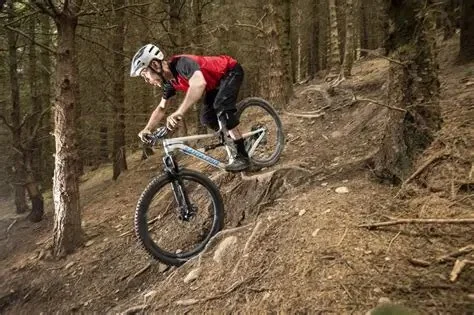
Shifting your weight slightly back and lowering your body improves stability. This allows the bike to handle speed more naturally without relying too heavily on brake pressure. Riders often notice that once their balance improves, they can descend more confidently with less braking.
2.2 Looking Ahead Instead of Down
Keeping your eyes focused further down the road helps anticipate curves and changes in slope. This awareness allows you to control speed gradually rather than reacting suddenly, which can lead to aggressive braking and heat buildup.
2.3 Controlling Momentum Early
Speed is easier to manage at the top of the hill than halfway down. Reducing speed before entering a steep section prevents the need for constant braking later.
3. Smart Braking Techniques for Long Downhills
One of the most important lessons in how to ride a steep downhill without burning out brakes is learning to brake in intervals instead of holding pressure continuously. This technique keeps components cooler and maintains stopping power.
3.1 The Pulse Braking Method
Rather than dragging the brakes, apply firm pressure for a few seconds to reduce speed, then release them briefly. This allows heat to dissipate before building up again. Repeating this pattern helps protect your braking system on extended descents.
3.2 Alternating Front and Rear Brakes
Using both brakes wisely spreads the workload. Lightly alternating pressure helps prevent either brake from overheating too quickly while maintaining steady control.
3.3 Matching Speed to Road Conditions
On straight, open sections, allowing the bike to roll slightly faster can reduce the need for braking. On tight turns or rough surfaces, slow down earlier to avoid sudden heavy braking.
4. Equipment Choices That Protect Your Brakes
Reliable components play a major role in downhill safety. While technique matters most, having dependable gear provides extra confidence during long descents.
4.1 Choosing the Right Brake Setup
Well-maintained braking systems perform better under stress. Riders who frequently tackle steep terrain often invest in durable pads and properly adjusted brakes that can handle extended use.
4.2 Tire Grip and Stability
Good tires provide better traction, which reduces the need for sudden braking. When a bike feels stable, riders can focus on smooth control instead of constantly slowing down.
4.3 Finding Trusted Gear Advice
Many cyclists explore recommendations on Cycling Guider to compare gear suited for mountain riding, long descents, and demanding terrain. Having the right setup can make a noticeable difference in both comfort and safety.
5. Real Rider Experience on a Mountain Descent
A touring cyclist once described a descent through the Rocky Mountains where the downhill stretch seemed endless. At first, they held their brakes constantly out of fear. Within minutes, they noticed reduced stopping power and a strong smell from the pads.
5.1 Learning from the Situation
After pausing to let the brakes cool, the rider switched to interval braking and focused on better body positioning. The difference was immediate. The bike felt more controlled, and the descent became smoother and less stressful.
5.2 Building Confidence Over Time
Experiences like this help riders understand that technique improves safety more than force. Over time, they learned to trust the bike, read the terrain, and brake only when necessary.
6. Long-Term Brake Care and Maintenance
Descending safely also means keeping your equipment in good condition. Regular care ensures that your brakes remain reliable for future rides.
6.1 Checking Pads Before Big Rides
Worn pads reduce stopping efficiency and heat up faster. Inspecting them before long rides can prevent problems on steep terrain.
6.2 Keeping Rotors and Rims Clean
Dust and debris can reduce braking performance. Cleaning components helps maintain consistent contact and smoother braking.
6.3 Practicing Downhill Skills Gradually
Confidence comes from experience. Practicing on moderate hills before attempting major descents allows riders to develop better control and avoid unnecessary brake strain.



 Cheata Bikes4.0 (7 reviews)
 Splitrock Tap & Wheel4.0 (74 reviews)
 Brooklyn Machine Works4.0 (4 reviews)
 Lebo's Pedal Parlor4.0 (44 reviews)
 Biscari Brothers Bicycles4.0 (96 reviews)
 The Bike Connection4.0 (294 reviews)
 How to Teach Kids to Ride a Bike: A Step-by-Step Guide for Parents
 Tips for Riding on Busy City Streets: Smart Strategies for Urban Cyclists
 Best US National Parks for Mountain Biking: Ride Epic Trails Across America
 Best Aero Helmets for Time Trials and Racing
 How to Clean and Lubricate Your Bike Chain Like a Pro
 10 Must-Have Items for Long-Distance Cycling Trips