
Bike Disc Brake Rub: Find the Cause Before Adjusting
On this page
Quick answer
A rubbing disc brake is not always a misaligned caliper. First seat and secure the wheel, spin it, and observe whether contact is constant or occurs once per revolution. Constant rub often points to wheel or caliper position; rhythmic rub can indicate rotor runout. Sticky pistons, worn pads, loose bearings, heat, and contamination need different fixes.
Identify the sound and timing
Disc brake rub is contact between the brake rotor and one or both pads while the lever is released. A faint intermittent whisper can occur after hard braking, but persistent drag, scraping, pulsing, or reduced braking deserves inspection.
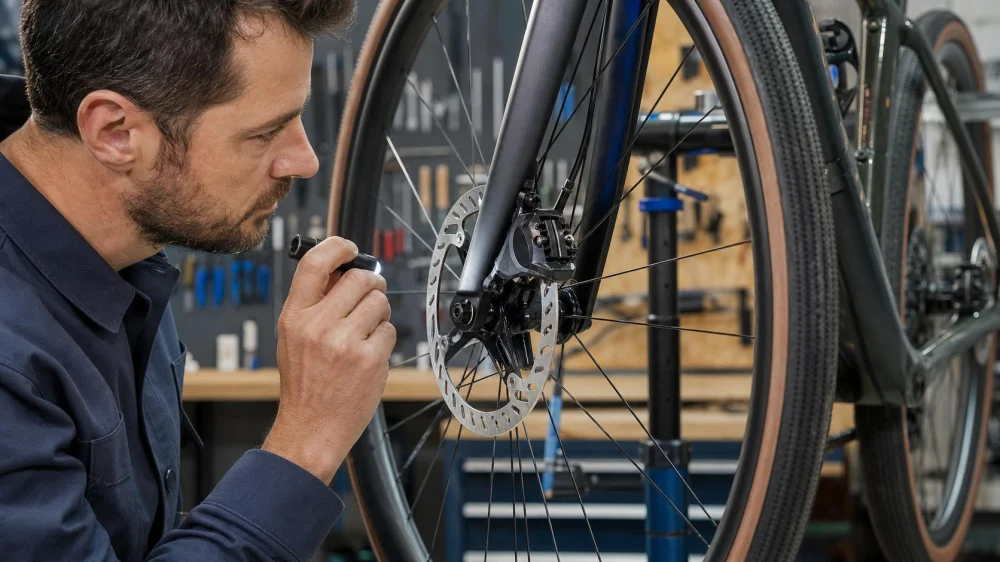
Lift one wheel only if the bicycle is securely supported. Spin the wheel and look through the caliper. Note whether the rotor touches continuously, at one repeating point, only under side load, or only after the lever is squeezed. That pattern narrows the cause before any bolt is moved.
Check wheel installation first
- Confirm the axle is fully seated in the frame or fork.
- Tighten a thru-axle or quick release according to its manufacturer’s instructions.
- Check that the hub has no side-to-side play.
- Spin the wheel again before touching the caliper.
A wheel installed at a slight angle changes the rotor’s position in the caliper. Re-centering a caliper around a poorly seated wheel hides the actual fault and may create new rub after the next wheel removal.
Inspect the rotor and caliper
Look for a bent or uneven rotor, loose rotor bolts or lockring, a shifted caliper, and pads that are at or beyond their wear limit. Do not touch the braking surface with bare fingers because skin oil can reduce braking and cause noise.
If the rotor tracks straight but sits consistently closer to one pad, caliper alignment may be appropriate. Use the brake maker’s alignment procedure and torque specifications. If contact appears once per revolution, the rotor may have lateral runout. Minor correction requires the proper tool and controlled force; a cracked, deeply scored, heat-damaged, or badly bent rotor should be replaced, not repeatedly bent.
Check hydraulic brake causes
Hydraulic pistons should extend and retract evenly. Dirt around a piston, an overfilled system, a damaged seal, or forcing pistons without the correct procedure can leave too little pad clearance. Inspect piston movement only as the manufacturer directs and do not pull the lever with the wheel removed unless a suitable pad spacer is installed.
A lever that pulls to the handlebar, leaks fluid, changes feel, or fails to return is not a simple alignment problem. Brake fluid type is system-specific; mixing fluids can damage seals. A qualified shop should handle a bleed, leak, seized piston, or uncertain hydraulic repair.
Check mechanical brake causes
Cable-operated brakes can rub because of excess cable tension, a sticky housing, a poorly returning arm, or an incorrectly set fixed pad. Check that the cable moves freely and the actuator returns fully. Follow the brake model’s sequence for pad clearance and cable adjustment rather than turning every adjuster at once.
Replacing worn pads may change the required setup. Bed new pads and rotors using the brake manufacturer’s process in a traffic-free area before relying on full braking power.
Adjustment decision checklist
- Rub began after wheel removal: reseat and secure the wheel first.
- Rub is constant: inspect axle seating, hub play, piston clearance, and caliper position.
- Rub repeats once per turn: inspect rotor runout and damage.
- Rub appears after heavy braking: let the system cool, then recheck for persistent distortion.
- Rub occurs while cornering or pedaling hard: inspect hub, axle, fork, frame, and wheel stiffness rather than assuming caliper error.
- Braking is weak or noisy: investigate contamination, glazing, pad wear, and bedding.
When to stop riding
Do not ride with a loose axle, loose rotor, cracked rotor, leaking hydraulic line, damaged caliper, missing hardware, severe wheel play, braking surface contamination you cannot correct, or pads below the maker’s wear limit. Also stop if the wheel will not turn freely or braking power is unpredictable. Arrange professional service when the cause or correct torque is uncertain.
Important notes and limitations
Brake designs differ. Bolt torque, rotor thickness, pad wear limits, fluid type, piston cleaning, and alignment steps must come from the exact component manual. This guide supports diagnosis but does not replace those instructions or hands-on inspection. Improper brake work can cause loss of control.
Evidence and source notes
The troubleshooting order follows common bicycle brake manufacturer and professional workshop practice: verify wheel and axle installation, observe the contact pattern, inspect wear and damage, then adjust only the relevant part. The component maker’s current service manual is the controlling source for specifications. A bicycle shop can identify models and locate the correct document when markings are unclear.
Frequently asked questions
Can I ride with slight disc brake rub?
A brief light sound may not create meaningful drag, but persistent or new rub should be checked. Stop if braking, wheel rotation, heat, or hardware condition is abnormal.
Why does the brake rub after I reinstall the wheel?
The axle may not be fully seated or tightened consistently. Correct the wheel installation before re-aligning the caliper.
Can I bend a rotor straight with an adjustable wrench?
Use only an appropriate rotor truing method and avoid contaminating or sharply bending the braking surface. Replace a badly damaged rotor or ask a shop to assess it.
Why does rub return after squeezing the lever?
A piston may not retract evenly, or the system may have another hydraulic or mechanical return problem. Inspect according to the specific brake manual.
Should I spray lubricant on a noisy disc brake?
No. Lubricant on pads or rotors can sharply reduce braking. Keep oils, cleaners not approved for brakes, and chain products away from braking surfaces.
Next steps
Secure the bicycle, confirm wheel installation, and record the rub pattern before adjusting anything. If the rotor, pads, axle, or hydraulics show damage or uncertain specifications, take the bicycle and component details to a qualified shop.
 Electric Bicycle Shop2.0 (3 reviews)
 Pedego Electric Bikes McDowell Mountain5.0 (2 reviews)
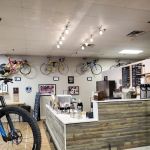 Maverick Bikes4.0 (261 reviews)
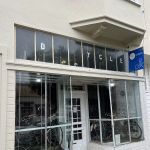 DD Cycles4.0 (25 reviews)
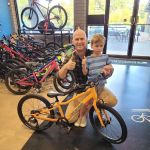 Conte's Bike Shop4.0 (66 reviews)
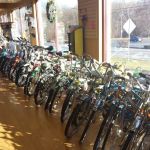 In Gear Cycling & Fitness4.0 (92 reviews)
 How to Teach Kids to Ride a Bike: A Step-by-Step Guide for Parents
 Tips for Riding on Busy City Streets: Smart Strategies for Urban Cyclists
 Best US National Parks for Mountain Biking: Ride Epic Trails Across America
 Best Aero Helmets for Time Trials and Racing
 How to Clean and Lubricate Your Bike Chain Like a Pro
 10 Must-Have Items for Long-Distance Cycling Trips