
- choosing-best-chain-lubricants
- wet-condition-chain-lube
- dry-condition-chain-lube
- muddy-trail-chain-maintenance
- dusty-environment-chain-care
- proper-chain-lubrication-method
- common-chain-lube-mistakes
- professional-bike-maintenance-tips
Choosing the Best Chain Lubricants for Different Riding Conditions
Every cyclist knows that a smooth ride depends on more than just strong legs and a reliable bike. The condition of your drivetrain plays a major role in performance, comfort, and the overall lifespan of your bicycle. Among all maintenance products, choosing the best chain lubricants for wet, dry, muddy, and dusty conditions is one of the most important decisions a rider can make.
Your bicycle chain is constantly exposed to changing environments. A road cyclist riding through summer heat faces different challenges compared with a mountain biker crossing muddy forest trails after rainfall. Using the wrong lubricant can attract dirt, create unnecessary friction, or leave your chain vulnerable to rust and premature wear.
The right chain lubricant does more than reduce friction. It protects metal surfaces, improves shifting performance, reduces noise, and helps your drivetrain operate efficiently. Whether you ride casually on weekends, commute daily, or compete in races, understanding different lubricant types can significantly improve your cycling experience.
Why Chain Lubricant Choice Matters for Cyclists
A bicycle chain contains hundreds of small moving parts that work together every time you pedal. Each roller, pin, and plate experiences pressure and movement. Without proper lubrication, metal components create more friction, which can slow performance and increase mechanical damage.
A poorly lubricated chain may produce:
- Clicking or squeaking noises during riding
- Harder gear shifting
- Faster chain and cassette wear
- Reduced pedaling efficiency
- Higher maintenance costs over time
Many cyclists focus heavily on upgrading components but overlook basic drivetrain maintenance. In reality, a quality chain lubricant and consistent care routine often provide one of the easiest improvements in bike performance.
Matching Lubricant to Your Riding Environment
There is no single chain lubricant that works perfectly in every situation. The ideal product depends on weather, terrain, riding frequency, and cleaning habits.
Wet environments require protection against water and corrosion. Dry environments require low-dust formulas that avoid collecting particles. Muddy trails require lubricants that can survive contamination, while dusty conditions demand products that keep the chain clean and efficient.
Understanding these differences helps riders avoid wasting money on products that do not match their cycling style.
Best Chain Lubricants for Wet and Rainy Conditions
Wet riding conditions are among the most challenging environments for bicycle chains. Rain, puddles, and high humidity can quickly remove lighter lubricants and expose metal components to corrosion.
How Wet Condition Lubricants Work
Wet chain lubricants are usually thicker and designed to stay attached to the chain even when exposed to moisture. Their heavier formula creates a protective layer that helps prevent water from reaching metal surfaces.
For cyclists who regularly ride in rainy climates, wet lube offers important advantages:
- Strong water resistance
- Better rust protection
- Long-lasting performance during storms
- Improved chain protection on wet roads
However, wet lubricants can collect dirt more easily. After riding through muddy or dirty conditions, cleaning becomes an essential part of maintenance.
Real Riding Example: Rainy Commute Protection
Consider a commuter who rides to work five days a week in an area with frequent rain. Before switching to a wet-condition lubricant, the cyclist noticed chain noise and rough shifting after only a few rainy rides.
After applying a properly designed wet lubricant and cleaning the drivetrain regularly, the bike maintained smoother shifting and showed fewer signs of corrosion. The improvement was not caused by expensive upgrades but by choosing a product designed for the actual environment.
Best Chain Lubricants for Dry and Clean Conditions
Dry weather creates different challenges. While rain is not a concern, dust, sand, and small particles can easily attach to the chain if the lubricant is too sticky.
Why Dry Lubricants Are Popular
Dry chain lubricants are typically lightweight formulas designed for clean riding conditions. They often contain particles or compounds that create a smooth protective layer without leaving a heavy oily surface.
The advantages of dry lubricants include:
- Less dirt attraction
- Cleaner drivetrain appearance
- Smoother performance in dry climates
- Easier cleaning after rides
Dry lubricants are especially popular among road cyclists, fitness riders, and people who ride on paved surfaces where dust exposure is limited.
How Often Should Dry Lube Be Applied?
One important characteristic of dry lubricant is that it usually requires more frequent application than wet formulas. Because it creates a thinner coating, it can wear away faster during long rides or after exposure to moisture.
Cyclists should inspect their chain regularly and reapply lubricant when the chain becomes noisy or feels less smooth.
Managing Bicycle Chains in Muddy Trail Conditions
Mountain biking introduces some of the toughest conditions for bicycle chains. Mud combines moisture, soil, and small particles that can quickly create a grinding effect between moving components.
How Mud Damages Bicycle Components
Mud does not simply make a bike dirty. It can accelerate wear by trapping abrasive materials against the chain. As the chain moves, these particles can act like sandpaper against the drivetrain.
Riders who frequently explore muddy trails should focus on:
- Using a durable lubricant designed for harsh conditions
- Cleaning the chain after muddy rides
- Checking for trapped debris
- Applying fresh lubricant after deep cleaning
Trail Rider Experience
A mountain biker who regularly rides forest trails may encounter completely different conditions within a single weekend. One ride could involve dry dirt, while another may include deep mud after rainfall.
Many experienced riders carry basic cleaning supplies because removing mud immediately prevents long-term drivetrain damage. Proper lubrication combined with regular cleaning allows the bike to perform consistently even in difficult terrain.
Keeping Chains Efficient in Dusty and Sandy Areas
Dusty environments create unique problems because fine particles can easily stick to oily surfaces. Desert trails, gravel roads, and dry dirt paths often expose chains to large amounts of airborne debris.
Choosing Lubricants for Dusty Conditions
The best chain lubricants for dusty conditions usually focus on keeping the drivetrain clean while still providing enough protection against friction.
A lubricant that remains too wet may become a magnet for dust. Over time, this creates a thick layer of contaminated material that reduces efficiency.
For dusty rides, cyclists should:
- Use a cleaner lubricant formula
- Avoid excessive application
- Remove old residue before adding more
- Inspect the chain after long rides
Desert Cycling Scenario
A cyclist riding desert trails may initially believe that applying extra lubricant provides extra protection. However, too much product can actually create problems by collecting more dust.
A lighter application with regular cleaning often provides better results because the chain remains protected without becoming covered in abrasive debris.
The Correct Way to Apply Bicycle Chain Lubricant
Even the best chain lubricant will not perform properly if it is applied incorrectly. Proper technique ensures the lubricant reaches the areas where it is needed most.
Step-by-Step Application Process
A reliable chain lubrication routine includes several steps:
1. Clean the chain first
Remove old lubricant, dirt, and debris before applying new product. Adding fresh lubricant over a dirty chain can trap contaminants inside the drivetrain.
2. Apply lubricant carefully
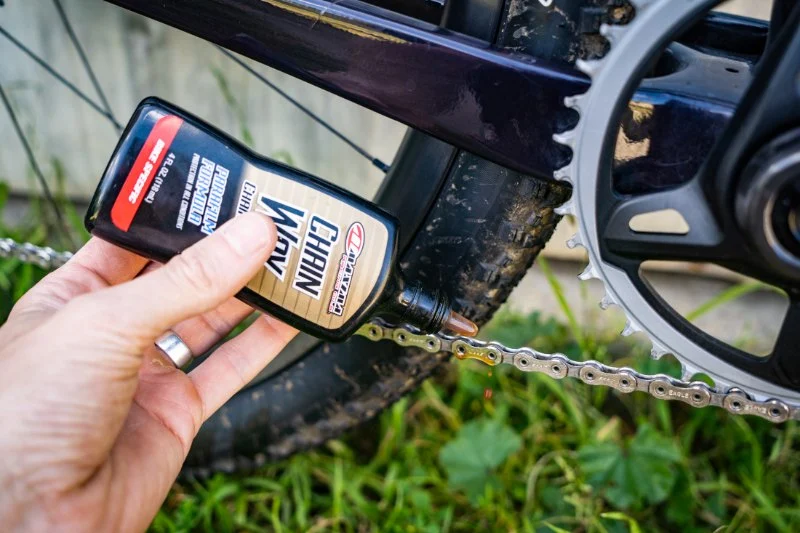
Place a small amount of lubricant on the inside rollers of the chain while slowly rotating the pedals backward.
3. Allow time for absorption
Let the lubricant penetrate the chain components before riding.
4. Remove excess product
Wipe away extra lubricant from the outside of the chain. A cleaner chain usually performs better and attracts less debris.
Common Mistakes Cyclists Make With Chain Lubricants
Applying Too Much Product
More lubricant does not always mean better protection. Excess product can collect dirt and create a dirty drivetrain that requires more frequent cleaning.
Skipping Regular Cleaning
Lubricant cannot solve problems caused by accumulated dirt. Cleaning should always be part of a complete maintenance routine.
Using the Wrong Type for Conditions
A lubricant designed for rainy weather may not be ideal for dry desert trails. Selecting products based on actual riding conditions leads to better results.
Professional Maintenance Tips for Long-Term Cycling Performance
Taking care of your bicycle chain is one of the simplest ways to protect your investment. A well-maintained drivetrain improves comfort, efficiency, and reliability.
Creating a Consistent Bike Care Schedule
Every cyclist should develop a maintenance routine based on riding habits. Frequent riders may need weekly inspections, while casual riders may require less frequent care.
Useful habits include:
- Checking chain condition before long rides
- Cleaning after extreme weather exposure
- Replacing worn components early
- Keeping suitable lubricants available
Finding Better Cycling Solutions
Choosing the correct maintenance products can sometimes feel overwhelming because every rider has different needs. Cycling Guider provides cycling-related information and recommendations to help riders understand equipment choices, maintenance practices, and riding solutions.
The right chain lubricant is not simply a small accessory. It is an important part of keeping a bicycle reliable in every environment. Whether riding through rain, dust, mud, or dry roads, selecting the appropriate lubricant helps cyclists enjoy smoother performance and longer-lasting components.






 Harbor Bike & Beach Shop4.0 (54 reviews)
 Sharon Valley Bicycle Shoppe, LLC5.0 (28 reviews)
 Dtla Bikes3.0 (233 reviews)
 Bicycles of Phoenix4.0 (168 reviews)
 Bike the Planet4.0 (81 reviews)
 Jafe Cycling Bike Shop5.0 (78 reviews)
 How to Teach Kids to Ride a Bike: A Step-by-Step Guide for Parents
 Tips for Riding on Busy City Streets: Smart Strategies for Urban Cyclists
 Best US National Parks for Mountain Biking: Ride Epic Trails Across America
 Best Aero Helmets for Time Trials and Racing
 How to Clean and Lubricate Your Bike Chain Like a Pro
 10 Must-Have Items for Long-Distance Cycling Trips