
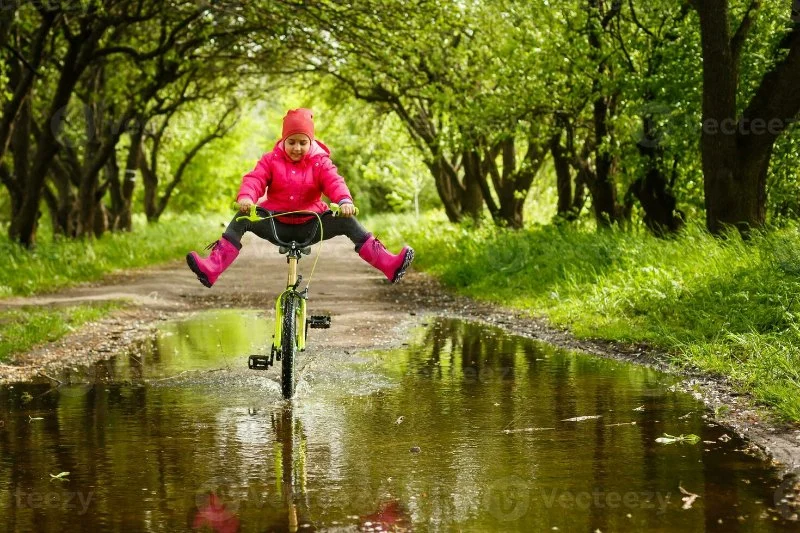
How to Safely Ride Through Deep Puddles Without Damaging Your Bike
Riding through deep puddles can be both a challenge and a thrill, but it’s important to take precautions to ensure you don’t cause any long-term damage to your bike. Water can seep into sensitive components, causing rust, dirt buildup, and premature wear. In this article, we’ll share tips and techniques to help you navigate deep puddles safely while keeping your bike in top condition.
- Understanding the Risks of Riding Through Deep Puddles
- How to Protect Your Bike Before Riding Through Puddles
- Techniques for Riding Through Deep Puddles
- Post-Ride Care: Cleaning and Maintaining Your Bike
- How to Minimize Water Exposure in Wet Conditions
1. Understanding the Risks of Riding Through Deep Puddles
While riding through a puddle can seem harmless, deep puddles can present hidden dangers to your bike. The water can cause rust on metal parts, especially if the puddle is particularly dirty or has debris. Additionally, water can get into your bike's drivetrain, brakes, and wheel hubs, which may lead to decreased performance or even permanent damage if not properly addressed.
1.1 Risk of Water Getting into Sensitive Components
When you ride through deep puddles, water can make its way into areas like the bottom bracket, hubs, and crankset. This can cause corrosion and wear over time, affecting your bike’s performance and longevity.
1.2 Potential for Mud and Debris Build-Up
Puddles, especially those formed after a heavy rain, often contain mud, sand, and other debris. Riding through these puddles can cause these particles to get lodged in your bike’s chain, gears, and brakes, resulting in poor performance and potential damage.
2. How to Protect Your Bike Before Riding Through Puddles
Preparation is key when it comes to riding through deep puddles. Here’s what you can do before you even reach the water:
2.1 Ensure Your Bike Is Properly Lubricated
A well-lubricated bike is less likely to suffer from water and debris exposure. Make sure to apply a suitable lubricant to your chain and gears before riding in wet conditions. This helps create a barrier between your bike's components and any moisture or dirt.
2.2 Check Your Bike’s Seals
Ensure that the seals around your bike’s hubs, bottom bracket, and other sensitive components are in good condition. Seals that are cracked or worn out can allow water to seep in, increasing the risk of rust and corrosion.
3. Techniques for Riding Through Deep Puddles
Once you're prepared, it’s time to focus on how to ride through deep puddles effectively. Using the right techniques will help you reduce the risk of damaging your bike while also maintaining your stability and control.
3.1 Maintain a Steady Speed
When approaching a deep puddle, try to maintain a steady speed. Avoid sudden acceleration or braking, as this can cause you to lose control or splash water into sensitive bike parts.
3.2 Ride with Confidence and Stay Balanced
Keep your body balanced and centered while riding through a puddle. Shifting your weight slightly backward can help reduce the amount of water that splashes up onto your bike’s components. Keep your pedals level to avoid damaging them if the puddle has a rocky or uneven surface.
3.3 Ride Through the Middle of the Puddle
If possible, ride through the center of the puddle to avoid hitting the edges where the water may be deeper or have more debris. This will also help you maintain smoother control.
4. Post-Ride Care: Cleaning and Maintaining Your Bike
After riding through deep puddles, it’s important to clean and maintain your bike to remove any water, dirt, or debris that may have accumulated. Here’s what you should do:
4.1 Wash Your Bike Thoroughly
Using a hose or a bucket of water, wash off any dirt, mud, or debris from your bike. Pay particular attention to the chain, cassette, and crankset, as they are most susceptible to dirt build-up.
4.2 Dry Your Bike Immediately
Once your bike is clean, dry it off with a towel or cloth to prevent rust. Make sure to dry off the brake components and wheels thoroughly to avoid water damage that could affect your braking efficiency.
4.3 Reapply Lubricant
After cleaning and drying, reapply lubricant to your bike’s chain and other moving parts. This will help prevent rust and ensure smooth performance.
5. How to Minimize Water Exposure in Wet Conditions
While riding through puddles is sometimes unavoidable, there are steps you can take to minimize water exposure and protect your bike.
5.1 Use Fenders
Installing fenders on your bike can help reduce the amount of water that splashes up onto your bike, protecting the sensitive components from moisture and debris.
5.2 Choose the Right Bike for Wet Conditions
Consider using a mountain bike or a bike designed for wet conditions if you frequently ride in areas with heavy rain or deep puddles. These bikes often have wider tires and more durable components that can handle wet conditions better than a standard road bike.
For more cycling tips, gear recommendations, and expert advice, visit Cycling Guider. We offer the best products and services to help you maintain your bike and enjoy your rides safely, even in wet conditions.



 ACME Bicycle Co.4.0 (97 reviews)
 Annapolis Velo4.0 (84 reviews)
 Shirk's Bike Shop4.0 (229 reviews)
 Motorless Motion (MoMo) Bicycles4.0 (284 reviews)
 Trailblazers Bike Barn4.0 (96 reviews)
 BikeHubStore.com5.0 (25 reviews)
 How to Teach Kids to Ride a Bike: A Step-by-Step Guide for Parents
 Tips for Riding on Busy City Streets: Smart Strategies for Urban Cyclists
 Best US National Parks for Mountain Biking: Ride Epic Trails Across America
 Best Aero Helmets for Time Trials and Racing
 How to Clean and Lubricate Your Bike Chain Like a Pro
 10 Must-Have Items for Long-Distance Cycling Trips