
- understanding-torque-basics
- why-overtightening-is-dangerous
- types-of-torque-wrenches
- step-by-step-usage-guide
- common-mistakes-to-avoid
- maintenance-and-calibration
- real-world-case-study
- long-term-precision-and-safety
1. Understanding Torque Basics
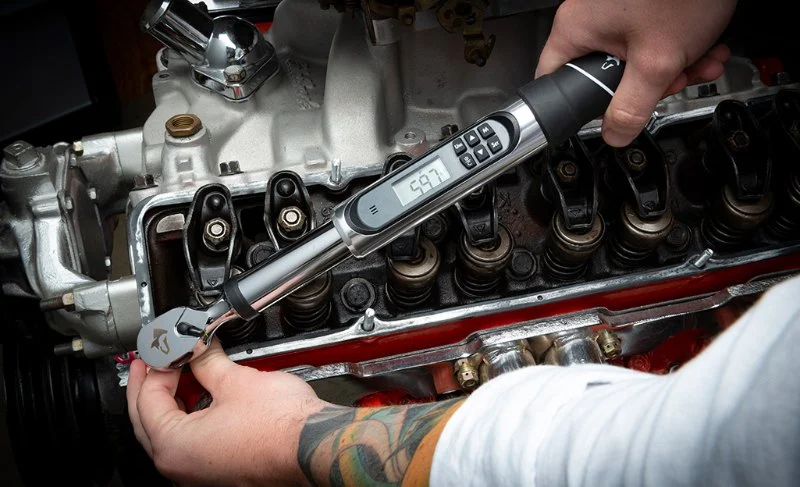
Learning how to use torque wrenches to avoid overtightening components starts with understanding what torque actually means. Torque refers to the amount of rotational force applied to a fastener such as a bolt or nut.
1.1 Why torque matters in mechanical work
Applying the correct torque ensures that components are secure without being damaged.
1.2 The balance between too loose and too tight
Under-tightening can cause parts to loosen, while overtightening can strip threads or crack materials.
1.2.1 Importance of manufacturer specifications
Every component has a recommended torque range that should always be followed.
2. Why Overtightening Is Dangerous
Overtightening is a common mistake that can lead to serious consequences.
2.1 Damage to threads and bolts
Excessive force can strip threads, making fasteners unusable.
2.2 Structural component failure
Parts such as bike frames or engine components may crack under too much pressure.
2.3 Increased maintenance costs
Repairing damage caused by overtightening can be expensive and time-consuming.
2.4 Safety risks
Improperly tightened components can fail during use, posing safety hazards.
3. Types of Torque Wrenches
Choosing the right tool is essential for achieving accurate results.
3.1 Click-type torque wrench
This type provides an audible click when the desired torque is reached.
3.2 Beam torque wrench
A simple design that uses a scale to indicate applied torque.
3.3 Digital torque wrench
Offers precise readings and alerts for improved accuracy.
3.4 Selecting the right tool
The choice depends on your application, whether automotive, cycling, or general mechanical work.
3.4.1 Why precision tools matter
Accurate tools reduce the risk of damage and improve consistency.
4. Step-by-Step Usage Guide
Following a proper process ensures safe and effective use.
4.1 Set the desired torque value
Adjust the wrench according to manufacturer specifications.
4.2 Position the wrench correctly
Ensure the tool is aligned with the fastener to avoid uneven force.
4.3 Apply steady pressure
Slow, consistent force helps achieve accurate torque.
4.4 Stop at the signal
For click-type wrenches, stop immediately once you hear or feel the click.
4.4.1 Avoid repeated tightening
Continuing to apply force after reaching the target torque can cause overtightening.
For cycling enthusiasts and mechanics, resources like Cycling Guider can provide valuable insights into selecting the right torque tools and techniques for different components.
5. Common Mistakes to Avoid
Even experienced users can make errors when using torque wrenches.
5.1 Using the wrong torque setting
Incorrect settings can lead to improper fastening.
5.2 Applying force too quickly
Rapid movements reduce accuracy and control.
5.3 Ignoring calibration
An uncalibrated wrench may give inaccurate readings.
5.4 Using a torque wrench as a breaker bar
This can damage the tool and affect its accuracy.
6. Maintenance and Calibration
Proper care ensures your torque wrench remains reliable.
6.1 Regular calibration checks
Periodic calibration ensures accurate measurements.
6.2 Proper storage
Store the wrench at its lowest setting to maintain spring tension.
6.3 Cleaning and inspection
Keep the tool clean and inspect for wear or damage.
6.4 Following manufacturer guidelines
Adhering to recommended maintenance schedules extends tool life.
7. A Real-World Case Study
A cyclist in Colorado experienced repeated issues with a slipping seat post after tightening bolts manually.
7.1 The initial problem
The bolts were either too loose or overtightened, causing damage to the clamp.
7.2 The solution
Switching to a torque wrench allowed precise tightening according to specifications.
7.3 The outcome
The issue was resolved, and the components remained secure without damage.
7.4 Key takeaway
Using the right tool can prevent costly mistakes and improve performance.
8. Long-Term Precision and Safety
Mastering how to use torque wrenches is essential for maintaining equipment and ensuring safety.
8.1 Developing consistent habits
Using proper techniques every time builds reliability.
8.2 Understanding component requirements
Different materials require different torque levels.
8.3 Investing in quality tools
High-quality wrenches provide better accuracy and durability.
8.4 Supporting safe mechanical practices
With careful attention and proper tools, you can avoid overtightening and maintain optimal performance across all applications.





 Wheel & Sprocket4.0 (362 reviews)
 Galindos lowrider bikes and rc shop4.0 (18 reviews)
 James Vincent Bicycles4.0 (219 reviews)
 Bicycles Sales Service3.0 (6 reviews)
 Trek Bicycle North County4.0 (584 reviews)
 Bike Stop Astoria3.0 (199 reviews)
 How to Teach Kids to Ride a Bike: A Step-by-Step Guide for Parents
 Tips for Riding on Busy City Streets: Smart Strategies for Urban Cyclists
 Best US National Parks for Mountain Biking: Ride Epic Trails Across America
 Best Aero Helmets for Time Trials and Racing
 How to Clean and Lubricate Your Bike Chain Like a Pro
 10 Must-Have Items for Long-Distance Cycling Trips