
- 1-What-Makes-GPS-Bike-Computers-Essential-for-Cyclists
- 2-Understanding-Accuracy-in-GPS-Bike-Computers
- 3-Key-Features-That-Matter-Most
- 4-Price-Ranges-and-Value-Considerations
- 5-Comparing-Top-GPS-Bike-Computer-Options
- 6-Real-Rider-Experience-and-Lessons
- 7-How-to-Choose-the-Right-Device-for-Your-Needs
1. What Makes GPS Bike Computers Essential for Cyclists
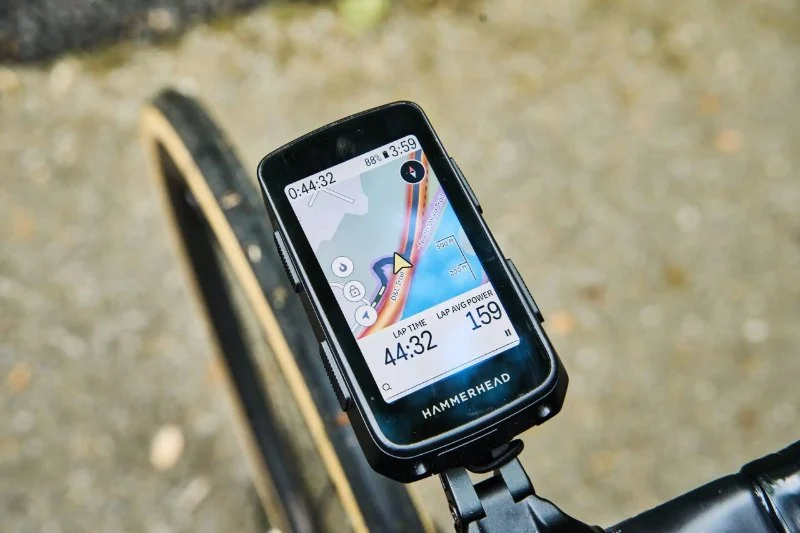
When exploring the best GPS bike computers reviewed: accuracy, features, price, it becomes clear that these devices have transformed how cyclists train, navigate, and track performance. Whether you’re a casual weekend rider or a serious athlete, a GPS bike computer offers valuable insights that a standard speedometer simply cannot provide.
1.1 Performance tracking benefits
1. Measures speed, distance, and elevation in real time.
2. Tracks heart rate and cadence when paired with sensors.
3. Helps cyclists monitor progress over time.
1.2 Navigation and route planning
1. Provides turn-by-turn directions on unfamiliar routes.
2. Stores favorite rides and routes for reuse.
3. Reduces reliance on smartphones during rides.
For many riders, these devices quickly become an essential part of every ride.
2. Understanding Accuracy in GPS Bike Computers
Accuracy is one of the most critical factors when evaluating GPS bike computers.
2.1 Satellite systems and signal quality
1. Devices often use multiple satellite systems like GPS, GLONASS, and Galileo.
2. Multi-band support improves precision in urban or wooded areas.
3. Signal consistency directly affects tracking reliability.
2.2 Real-world accuracy challenges
1. Tall buildings can interfere with signals.
2. Dense forests may reduce tracking precision.
3. Weather conditions can slightly impact performance.
2.3 Enhancing accuracy with sensors
1. Speed sensors provide more reliable data than GPS alone.
2. Cadence sensors improve training insights.
3. Combining data sources creates a more complete picture.
Accurate tracking ensures that your training data is meaningful and actionable.
3. Key Features That Matter Most
Not all GPS bike computers are created equal, and choosing the right features can make a big difference.
3.1 Display and usability
1. Clear, easy-to-read screens improve safety while riding.
2. Touchscreen vs button controls affect usability in different conditions.
3. Customizable data fields allow personalization.
3.2 Connectivity and smart integration
1. Bluetooth and ANT+ compatibility for sensors.
2. Smartphone syncing for ride uploads.
3. Integration with fitness apps and platforms.
3.3 Battery life and durability
1. Long battery life supports extended rides.
2. Weather resistance ensures reliability in all conditions.
3. Rugged design withstands rough terrain.
Exploring curated recommendations through Cycling Guider can help riders identify devices that balance these features effectively.
4. Price Ranges and Value Considerations
Price plays a major role when comparing GPS bike computers.
4.1 Entry-level options
1. Typically range from $50 to $150.
2. Offer basic tracking and limited navigation.
3. Suitable for beginners.
4.2 Mid-range devices
1. Usually priced between $150 and $300.
2. Include advanced metrics and better displays.
3. Ideal for regular riders.
4.3 Premium models
1. Can exceed $300.
2. Provide full navigation, training analytics, and top-tier accuracy.
3. Designed for serious cyclists and professionals.
Understanding your budget helps narrow down the best options without overspending.
5. Comparing Top GPS Bike Computer Options
When reviewing the best GPS bike computers, several factors stand out in comparisons.
5.1 Accuracy vs price balance
1. Higher-priced models generally offer better accuracy.
2. Mid-range devices provide excellent value for most users.
3. Entry-level units may lack advanced tracking features.
5.2 Feature prioritization
1. Competitive riders may prioritize training metrics.
2. Casual riders may focus on navigation and ease of use.
3. Commuters may value durability and battery life.
5.3 User experience differences
1. Interface design impacts usability.
2. Setup and syncing processes vary by brand.
3. Software updates improve long-term performance.
Careful comparison ensures that the chosen device aligns with your riding style.
6. Real Rider Experience and Lessons
A cyclist from Colorado shared their experience upgrading from a basic bike computer to a mid-range GPS model.
1. Initially relied on a simple speed tracker.
2. Switched to a GPS device for better route tracking.
3. Noticed significant improvements in training consistency.
The rider highlighted that accurate elevation data and route mapping made a noticeable difference in performance planning. This real-world example shows how the right device can elevate the entire cycling experience.
7. How to Choose the Right Device for Your Needs
Choosing the right GPS bike computer depends on your goals and riding habits.
7.1 Define your priorities
1. Determine whether you need navigation, training metrics, or both.
2. Consider how often and where you ride.
3. Match features to your cycling style.
7.2 Evaluate long-term value
1. Look beyond initial cost to overall usability.
2. Consider durability and software support.
3. Choose devices that can grow with your needs.
7.3 Seek expert recommendations
1. Research trusted reviews and comparisons.
2. Explore insights from Cycling Guider for curated options.
3. Learn from other cyclists’ experiences.
By understanding accuracy, features, and price, and aligning them with your personal goals, you can confidently select a GPS bike computer that enhances every ride.



 Solé Bicycles4.0 (81 reviews)
 Wheel & Sprocket4.0 (318 reviews)
 BRITTON'S Bicycle Shop4.0 (168 reviews)
 Bike Pad3.0 (48 reviews)
 Swaray’s Bike Shops4.0 (117 reviews)
 Urban Electrica E-Bikes4.0 (82 reviews)
 How to Teach Kids to Ride a Bike: A Step-by-Step Guide for Parents
 Tips for Riding on Busy City Streets: Smart Strategies for Urban Cyclists
 Best US National Parks for Mountain Biking: Ride Epic Trails Across America
 Best Aero Helmets for Time Trials and Racing
 How to Clean and Lubricate Your Bike Chain Like a Pro
 10 Must-Have Items for Long-Distance Cycling Trips