
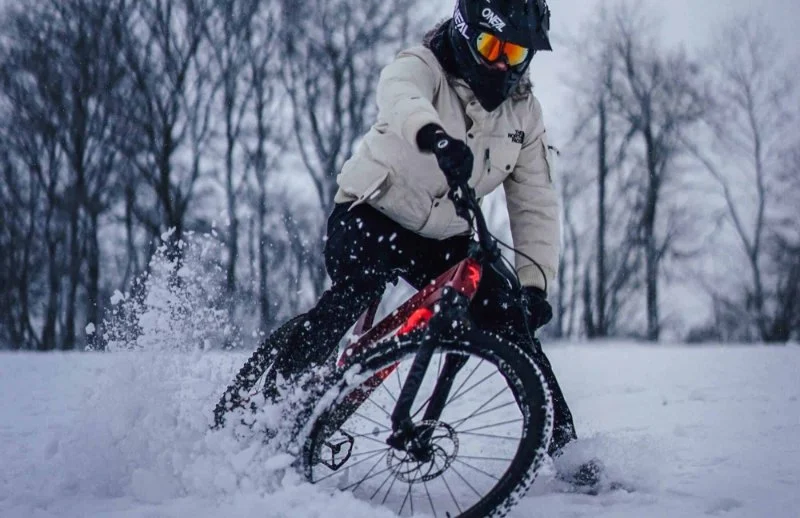
Understanding Winter Cycling Challenges
Cycling in snow or light ice conditions can be both exciting and challenging. While winter biking offers unique opportunities for outdoor adventures, it also presents certain risks that require extra care. Snow and ice can make the road slippery, reduce visibility, and create obstacles that require quick reflexes. However, with the right preparation, techniques, and safety measures, you can ride safely and confidently in these conditions. Here’s a closer look at the challenges you may encounter:
- Slippery Surfaces: Snow and ice can reduce traction, making it harder to maintain balance and control.
- Reduced Visibility: Winter days are often shorter, and poor weather conditions can make it difficult to see obstacles or other cyclists.
- Colder Temperatures: Cold weather can affect your muscles and joints, making them more prone to injury if not properly warmed up.
Preparing Your Bike for Snow and Ice
Before heading out for a winter ride, it’s important to ensure your bike is properly equipped to handle the challenges of snow and ice. Here are the essential steps for preparing your bike:
- Install Winter Tires: Specialized winter tires with thicker treads and spikes can offer better traction on snow and ice. These tires are designed to grip slippery surfaces more effectively than standard road tires.
- Check Your Brakes: Make sure your brakes are in excellent condition. Winter conditions can make stopping more difficult, so you need your brakes to be responsive and efficient.
- Lubricate Your Chain: Snow, ice, and salt can cause corrosion. Regularly lubricating your bike chain will help it perform better and extend its lifespan in harsh winter conditions.
- Wear Appropriate Protective Gear: While not directly related to the bike itself, wearing the right gear is essential. Consider wearing layers to stay warm, including thermal gloves, headgear, and a windproof jacket to protect from the cold.
Riding Techniques in Snow and Ice Conditions
When riding through snow or light ice conditions, it’s important to adjust your riding techniques. Here are some tips to help you stay safe and maintain control:
- Lower Your Speed: Riding too fast on slippery surfaces can increase your chances of losing control. Lowering your speed allows you to react more quickly to obstacles and changes in terrain.
- Increase Your Distance: Keep a greater distance between yourself and other cyclists or vehicles. In winter, stopping distances are longer due to the lack of traction.
- Keep Pedaling Smoothly: Avoid sudden movements like quick starts or stops. Pedaling smoothly will help maintain balance and prevent slipping.
- Look Ahead and Plan Your Route: Stay alert to avoid patches of ice or snow that are difficult to see. Plan your route ahead of time to avoid areas that might be too dangerous.
- Use Lower Gears: Riding in lower gears will give you more control over your bike, making it easier to handle slippery surfaces.
Winter Bike Safety Tips
In addition to proper equipment and riding techniques, winter cycling requires some extra safety precautions. Here are some safety tips to ensure your ride is as safe as possible:
- Be Visible: Winter weather can reduce visibility, so it’s essential to use front and rear lights. Wear reflective clothing and add reflective stickers to your bike to make yourself more visible to other road users.
- Know When to Stop: If conditions become too harsh, such as heavy snow or icy roads, it’s best to stop and seek shelter. Don't push yourself beyond your limits—safety comes first.
- Warm Up and Stretch: Cold temperatures can stiffen your muscles, so it’s important to warm up and stretch before you ride. This will help prevent injuries during your ride.
- Stay Hydrated: Just because it’s cold doesn’t mean you shouldn’t stay hydrated. Proper hydration is important for maintaining energy and focus on your ride.
Real-Life Stories of Winter Cycling
Hearing about other cyclists’ experiences can be inspiring and reassuring. Here are some real-life examples of cyclists who have successfully navigated snowy and icy conditions:
- Case Study 1: Overcoming Icy Roads in the Midwest - Jane, an avid cyclist in Chicago, learned to adjust her riding style after a few close calls with icy patches during winter rides. She now uses studded tires and takes extra care when navigating intersections where ice is common. Her tips for others include slowing down and focusing on smooth pedal strokes.
- Case Study 2: Winter Training in the Mountains - Mark, a competitive cyclist in the Rockies, trains year-round, including during snowy conditions. He shares that staying in lower gears and using wider tires have allowed him to ride comfortably even in deep snow. Mark emphasizes the importance of dressing in layers to keep warm during longer rides.
Conclusion - Mastering Winter Cycling
Riding in snow or light ice conditions can be a thrilling and rewarding experience, but it’s essential to be prepared. By following the right safety precautions, choosing the right equipment, and adopting proper riding techniques, you can safely navigate winter cycling conditions. Remember, safety always comes first, so take it slow, stay visible, and enjoy your ride!
If you're looking for high-quality winter biking gear, visit Cycling Guider to find the best products that will help you ride safely and comfortably during the winter months.



 Electric Bike Center San Jose0.0 (0 reviews)
 E-Bike Annex4.0 (11 reviews)
 ERIK'S - Bike Board Ski4.0 (602 reviews)
 Ecotric bike shop1.0 (25 reviews)
 Bayshore Bike Shop5.0 (9 reviews)
 Trek Bicycle South Bay4.0 (464 reviews)
 How to Teach Kids to Ride a Bike: A Step-by-Step Guide for Parents
 Tips for Riding on Busy City Streets: Smart Strategies for Urban Cyclists
 Best US National Parks for Mountain Biking: Ride Epic Trails Across America
 Best Aero Helmets for Time Trials and Racing
 How to Clean and Lubricate Your Bike Chain Like a Pro
 10 Must-Have Items for Long-Distance Cycling Trips