
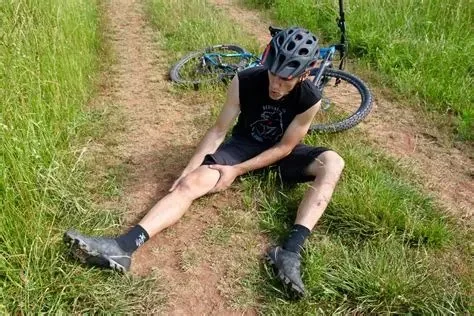
- Understanding Muscle Cramps During Climbing
- Common Causes of Cramps During Long Climbs
- Top Tips to Avoid Cramping on Climbs
- Real-Life Experiences with Cramping During Climbs
Understanding Muscle Cramps During Climbing
Muscle cramps are a common issue for climbers, especially during long or strenuous ascents. These involuntary muscle contractions can be painful and significantly impact your performance. They usually occur when muscles are overexerted, dehydrated, or lacking certain nutrients. Understanding why cramps happen is the first step to preventing them and ensuring a more comfortable climb.
Common Causes of Cramps During Long Climbs
Climbing requires both strength and endurance, which can lead to muscle fatigue and cramping. The most common causes of cramps during long climbs include:
- Dehydration: Losing fluids through sweat without replenishing them can lead to dehydration, which is a major cause of muscle cramps.
- Electrolyte Imbalance: Low levels of essential electrolytes like sodium, potassium, calcium, and magnesium can disrupt muscle function, leading to cramps.
- Overexertion: Pushing your muscles too hard without adequate rest can lead to fatigue, which increases the likelihood of cramping.
- Poor Circulation: Limited blood flow to muscles during extended periods of activity can contribute to cramping, especially in colder environments.
Top Tips to Avoid Cramping on Climbs
Here are some expert tips to help you prevent cramps and stay comfortable during long climbs:
- Stay Hydrated: Drink plenty of water before, during, and after your climb. Consider drinking electrolyte-infused water or sports drinks to help replenish lost minerals.
- Maintain Proper Nutrition: Eating foods rich in potassium, magnesium, and calcium can help support muscle function. Bananas, leafy greens, nuts, and dairy products are great options to keep cramps at bay.
- Warm Up and Stretch: Before starting your climb, warm up with light exercises and stretch your muscles to prepare them for exertion. Focus on the legs, arms, and back muscles that will be used most during the climb.
- Take Regular Breaks: Don’t push your body too hard without rest. Take short breaks to allow your muscles to recover and reduce the risk of overexertion.
- Use Compression Garments: Wearing compression socks or sleeves can help improve circulation and reduce the likelihood of cramping, especially during long climbs.
Real-Life Experiences with Cramping During Climbs
Many climbers have experienced cramping during their ascents. Here are some real-life stories of how they managed and prevented cramps:
"I’ve struggled with cramps on long hikes, but staying hydrated with electrolyte drinks made a huge difference. I also make sure to stretch regularly before each climb. Now, I feel much more prepared!" – Sarah D., Professional Climber.
"On a recent 14er climb, I felt cramps coming on during the final push. I took a quick break, ate a banana, and drank some water with electrolytes. The cramps went away, and I finished the climb strong!" – Mike T., Amateur Climber.





 Level Up Bike Shop4.0 (46 reviews)
 Mokwheel E-Bikes Huntington Beach4.0 (91 reviews)
 Broadway Javi's Bike Shop4.0 (20 reviews)
 Trek Bicycle Tampa South4.0 (547 reviews)
 Sasquatch Cycle Works5.0 (6 reviews)
 North Sea Tac Mountain Bike Trails4.0 (18 reviews)
 How to Teach Kids to Ride a Bike: A Step-by-Step Guide for Parents
 Tips for Riding on Busy City Streets: Smart Strategies for Urban Cyclists
 Best US National Parks for Mountain Biking: Ride Epic Trails Across America
 Best Aero Helmets for Time Trials and Racing
 How to Clean and Lubricate Your Bike Chain Like a Pro
 10 Must-Have Items for Long-Distance Cycling Trips