

- 1. Why Train with Power in Cycling?
- 2. Alternatives to Power Meter Training
- 3. How to Use Heart Rate for Power-Based Training
- 4. Training with Perceived Effort: How to Tune into Your Body
- 5. Other Tools and Methods to Enhance Power-Based Training
1. Why Train with Power in Cycling?
Training with power is considered one of the most effective methods for measuring cycling performance. It gives athletes a clear and direct understanding of how much effort they’re putting into their rides, regardless of external factors like terrain or weather. Power meters help cyclists monitor their output in real-time, enabling them to train more effectively, track progress, and avoid overtraining.
However, not everyone has access to a power meter, and that's okay! While power meters provide an exact measurement, there are alternative methods to approximate power-based training. These methods can help you achieve similar benefits and make data-driven decisions in your cycling training.
2. Alternatives to Power Meter Training
If you don’t have a power meter, don’t worry. There are several effective ways to train with power-like metrics. The goal is to focus on improving your cycling efficiency, endurance, and strength without needing the exact number a power meter provides.
Some of the most common alternatives include:
- Heart Rate Monitoring: Heart rate zones correlate closely with power output. By training within certain heart rate zones, you can target similar physiological processes as power-based training.
- Perceived Effort (RPE): Using the Rate of Perceived Effort (RPE) scale, athletes can gauge how hard they’re working. This subjective measurement can be an excellent substitute for a power meter when trained properly.
- Cadence Training: Cadence, or pedaling rate, is another important aspect of cycling. By focusing on cadence training, cyclists can develop their efficiency, which indirectly boosts power output.
These alternatives provide meaningful ways to structure training and improve performance without the need for a power meter, helping you become a more well-rounded cyclist.
3. How to Use Heart Rate for Power-Based Training
One of the most effective ways to train without a power meter is by using heart rate as a proxy for effort. Your heart rate is directly linked to the intensity of your exercise, and tracking it can give you similar insights to a power meter.
To use heart rate effectively for training, follow these steps:
- Establish Your Maximal Heart Rate: Knowing your maximum heart rate is essential. You can estimate it using the formula 220 minus your age or, for more precision, perform a field test with a coach or trainer.
- Determine Heart Rate Zones: Once you know your maximum heart rate, divide it into training zones. These zones can help you train at the appropriate intensity for your goals. For example, Zone 2 is great for endurance, while Zone 4 is ideal for lactate threshold training.
- Train Within Specific Zones: Focus on maintaining your heart rate within a specific zone during your workouts. This helps you build endurance, increase efficiency, and improve performance, much like power-based training.
Using heart rate zones is a great way to mimic power-based training. You can get most of the benefits of power training by staying in the right heart rate zone for your cycling goals.
4. Training with Perceived Effort: How to Tune into Your Body
Perceived Effort (RPE) is a subjective method of measuring how hard you feel you are working during a workout. While it doesn't provide an exact measurement like a power meter, it can be incredibly effective once you're in tune with your body's sensations during exercise.
The key to using RPE for cycling is developing an awareness of your effort level during different phases of your training. Here’s how you can incorporate RPE into your cycling routine:
- Learn the RPE Scale: The RPE scale typically ranges from 1 (very light effort) to 10 (maximum effort). Knowing this scale helps you gauge the intensity of your efforts more accurately.
- Identify Effort for Different Intensities: During easy recovery rides, your RPE will be low, around 3-4. For more intense training, such as interval work, your RPE will reach higher numbers like 8 or 9.
- Adjust Intensity Based on RPE: Use RPE to adjust your intensity during workouts. For example, if you’re aiming for a specific intensity level, check in with how your body feels and adjust the effort accordingly.
By regularly using RPE, you can create a personalized and effective cycling workout, helping you track effort and avoid overtraining or undertraining without the need for a power meter.
5. Other Tools and Methods to Enhance Power-Based Training
There are additional tools and methods that cyclists can use to enhance training and simulate power-based efforts without a power meter. These tools can help you achieve similar benefits, such as improving efficiency, cadence, and strength. Some of these include:
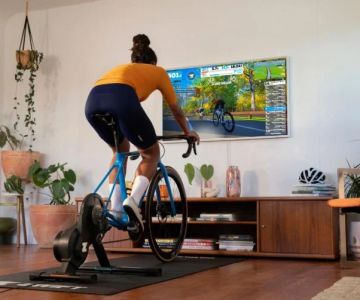
- Smart Trainers: Smart trainers can simulate resistance and adjust based on your power output or effort level. They allow for structured workouts without a physical power meter, providing accurate training feedback.
- Cadence Sensors: Monitoring cadence can give you insight into how efficiently you're pedaling. Maintaining a high cadence can improve cycling efficiency, which indirectly contributes to increasing power.
- Training Apps: Many cycling apps, such as Zwift, TrainerRoad, or Sufferfest, offer structured workouts and simulations that help you target specific intensities and replicate power-based training without the need for a power meter.
These tools can help make your cycling training more precise, providing you with feedback on your progress and helping you target specific performance goals, similar to training with a power meter.
If you're looking for more resources, cycling products, or guidance to enhance your power-based training without a power meter, visit Cycling Guider for expert recommendations and quality gear.

 Landry's Bicycles4.0 (689 reviews)
 Specialized Houston5.0 (133 reviews)
 Aistriu4.0 (131 reviews)
 Full Flow Suspension4.0 (31 reviews)
 EBike Specialists0.0 (0 reviews)
 Bespoke Bikes & Everyday Special Things LLC5.0 (5 reviews)
 How to Teach Kids to Ride a Bike: A Step-by-Step Guide for Parents
 Tips for Riding on Busy City Streets: Smart Strategies for Urban Cyclists
 Best US National Parks for Mountain Biking: Ride Epic Trails Across America
 Best Aero Helmets for Time Trials and Racing
 How to Clean and Lubricate Your Bike Chain Like a Pro
 10 Must-Have Items for Long-Distance Cycling Trips