
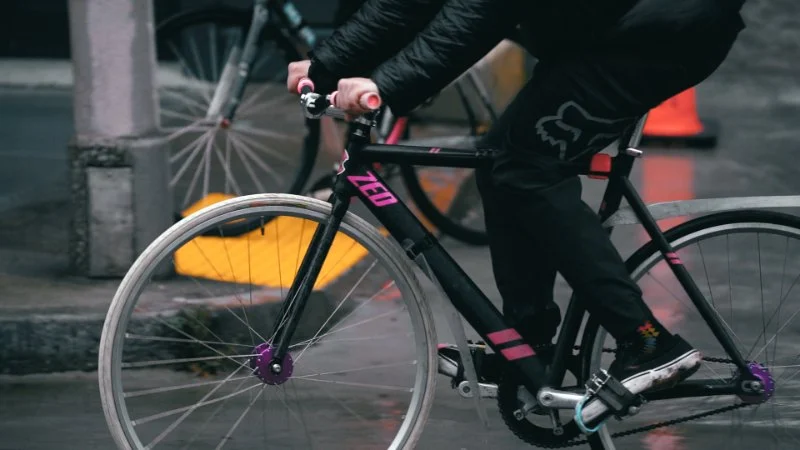
- understanding-fixed-gear-bikes
- why-fixed-gear-bikes-are-popular-in-cities
- basic-skills-for-fixed-gear-riding
- navigating-traffic-safely
- braking-and-speed-control
- essential-safety-gear
- real-city-cyclist-story
- building-confidence-in-urban-cycling
Understanding How Fixed Gear Bikes Work
Fixed gear bikes, often called “fixies,” have gained popularity among urban cyclists across the United States. Unlike traditional bicycles that include freewheels and multiple gears, fixed gear bikes have a direct connection between the pedals and the rear wheel. This means that whenever the bike moves, the pedals move as well.
For riders who enjoy simplicity, responsiveness, and mechanical efficiency, fixed gear bicycles provide a unique cycling experience. However, learning how to ride a fixed gear bike safely in the city requires practice, awareness, and proper technique, especially when navigating busy streets.
1. The Key Difference Between Fixed Gear and Freewheel Bikes
With a standard bicycle, riders can stop pedaling while the bike continues to roll forward. Fixed gear bikes operate differently.
What This Means for Riders
1. Pedals rotate continuously with the rear wheel.
2. Speed control depends heavily on pedaling technique.
3. Riders must anticipate stops earlier than usual.
Understanding these fundamentals is essential before taking a fixie onto city streets.
Why Fixed Gear Bikes Are Popular for Urban Riding
Many city commuters choose fixed gear bicycles because they are simple, lightweight, and low maintenance.
1. Minimal Mechanical Components
Without derailleurs or complex gear systems, fixed gear bikes are easier to maintain and repair.
2. Direct Riding Feel
The constant connection between pedals and wheels provides a responsive riding experience that many cyclists enjoy.
3. Lightweight Design
Fixed gear bikes are often lighter than multi-gear bicycles, making them easier to carry upstairs or navigate through urban environments.
Cyclists interested in learning more about city riding techniques often explore communities and guides such as Cycling Guider for practical riding advice and equipment suggestions.
Essential Skills for Riding a Fixie in Urban Areas
Before riding through busy city streets, it is important to master several basic riding skills.
1. Smooth Pedaling Technique
Because the pedals move continuously, riders must develop smooth and consistent pedaling.
Why Pedal Control Matters
1. Prevents sudden jerky movements.
2. Improves balance and stability.
3. Helps maintain consistent speed.
2. Track Standing
Track standing is a skill where riders balance on the bike without moving forward. This technique is useful at traffic lights or intersections.
3. Anticipating Stops
Since fixed gear bikes rely partly on pedal resistance for slowing down, riders must anticipate stops earlier than on standard bikes.
Navigating City Traffic Safely
Urban cycling involves interacting with cars, pedestrians, and other cyclists. Riding a fixed gear bike safely in the city requires heightened awareness of surroundings.
1. Maintain Predictable Riding Behavior
Drivers and pedestrians rely on predictable cyclist behavior to avoid accidents.
Important Traffic Habits
1. Signal turns clearly with hand signals.
2. Maintain a straight riding line.
3. Avoid sudden swerves between vehicles.
2. Choose Bike-Friendly Routes
Whenever possible, use designated bike lanes or streets known for cyclist traffic.
3. Stay Visible
Visibility is especially important during early morning or evening commutes.
Learning How to Control Speed on a Fixed Gear Bike
One of the most important aspects of fixed gear riding is controlling speed without relying solely on traditional brakes.
1. Backpressure Pedaling
Riders can slow the bike by resisting the rotation of the pedals.
How Backpressure Works
1. Apply gentle resistance against the pedal motion.
2. Gradually reduce speed.
3. Maintain balance during deceleration.
2. Skid Stopping Technique
Advanced riders sometimes use skid stops, which involve locking the rear wheel briefly by shifting weight and resisting pedal motion.
3. Using Front Brakes
Many fixed gear bikes still include a front brake, which significantly improves stopping power and safety.
Important Safety Gear for City Fixie Riders
Safety equipment can make a major difference when riding in busy urban environments.
1. Helmets
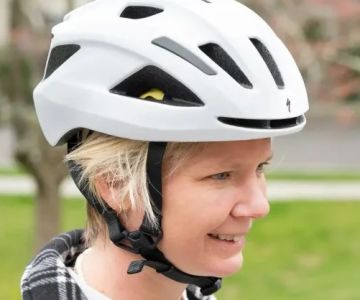
A properly fitted helmet provides essential protection in case of accidents.
2. Reflective Clothing
Reflective gear helps drivers spot cyclists more easily during low-light conditions.
3. Bike Lights
Front and rear lights improve visibility and are often required by law in many cities.
A Real Story from an Urban Fixed Gear Rider
A commuter in Chicago once shared how switching to a fixed gear bike changed their daily ride. At first, the constant pedal movement felt unfamiliar and challenging.
1. The Learning Phase
During the first few weeks, the rider practiced in quieter streets before attempting downtown traffic.
2. Gradual Confidence
Over time, they developed smoother pedaling and better anticipation of traffic flow.
The Result
The rider eventually described fixed gear cycling as one of the most engaging and enjoyable commuting experiences they had ever had.
Stories like this highlight how practice and patience can help cyclists adapt to the unique dynamics of fixed gear riding.
Building Confidence for Safe City Riding
Confidence comes from consistent practice and awareness of surroundings.
1. Start in Low-Traffic Areas
Beginners should practice fixed gear control in quiet neighborhoods or empty parking lots.
2. Learn Traffic Patterns
Observing traffic flow helps cyclists predict driver behavior and make safer decisions.
3. Keep Improving Riding Skills
Urban cycling skills improve over time with experience and regular riding.
Many riders also seek helpful tips and guidance from cycling resources such as Cycling Guider to refine their skills and learn more about safe urban commuting.
Learning how to ride a fixed gear bike safely in the city can be an exciting journey. With the right techniques, awareness, and safety practices, cyclists can enjoy efficient and engaging urban transportation while staying safe on busy streets.

 Bicycle World of Louisiana4.0 (107 reviews)
 EBike Connections - Loudoun County, VA5.0 (6 reviews)
 Tailgator Technologies0.0 (0 reviews)
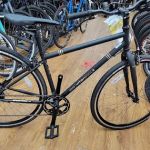 502 BIKE SHOP INC4.0 (61 reviews)
 Wicked Thumb Electrocycles of Dallas0.0 (0 reviews)
 Trek Bike Shop of Fort Lauderdale4.0 (542 reviews)
 How to Teach Kids to Ride a Bike: A Step-by-Step Guide for Parents
 Tips for Riding on Busy City Streets: Smart Strategies for Urban Cyclists
 Best US National Parks for Mountain Biking: Ride Epic Trails Across America
 Best Aero Helmets for Time Trials and Racing
 How to Clean and Lubricate Your Bike Chain Like a Pro
 10 Must-Have Items for Long-Distance Cycling Trips