
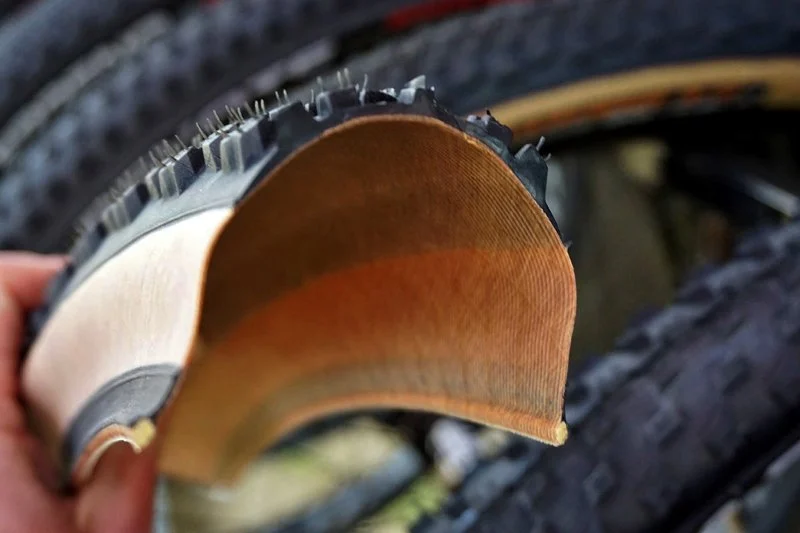
Guide to Types of Bike Tires: Clincher, Tubeless, Tubular Explained
- 1. What Are Bike Tires?
- 2. Clincher Tires: The Most Common Choice
- 3. Tubeless Tires: Pros and Cons
- 4. Tubular Tires: For Serious Cyclists
- 5. Real-World Example: Choosing the Right Tire for Your Ride
1. What Are Bike Tires?
Bike tires are crucial for ensuring a smooth and comfortable ride. They provide traction, support, and shock absorption, and play a key role in the overall performance of your bike. Choosing the right type of tire can make a significant difference depending on the terrain you plan to ride on, your cycling goals, and personal preferences.
In this guide, we’ll dive into the three most common types of bike tires: Clincher, Tubeless, and Tubular. Each tire type has its unique advantages and disadvantages, so understanding the differences will help you make an informed choice that suits your needs.
2. Clincher Tires: The Most Common Choice
Clincher tires are the most common type of tire found on bicycles today. They are simple to install and repair, making them a favorite for casual and competitive cyclists alike. Clincher tires have a wire or kevlar bead that locks into place on the rim, and they require an inner tube for air pressure.
Advantages of Clincher Tires
Clincher tires are the go-to choice for many cyclists because they are affordable, easy to maintain, and widely available. Here are some of the key benefits:
- Easy installation and repair – Changing a punctured clincher tire is relatively simple.
- Affordability – Clincher tires tend to be less expensive than tubeless or tubular options.
- Widely available – You can find clincher tires in virtually any bike shop or online store.
Disadvantages of Clincher Tires
While clincher tires are widely popular, they do come with a few drawbacks:
- Higher risk of punctures – Since clincher tires rely on an inner tube, punctures are more common compared to tubeless tires.
- Less efficient – Clincher tires may not offer as smooth a ride as tubeless or tubular tires because of the additional inner tube and increased friction.
3. Tubeless Tires: Pros and Cons
Tubeless tires have gained popularity in recent years, especially among mountain bikers and gravel riders. Unlike clincher tires, tubeless tires don’t require an inner tube. Instead, they use a sealed rim to hold the air pressure directly within the tire, making them less susceptible to punctures.
Advantages of Tubeless Tires
Tubeless tires offer several benefits, particularly for cyclists who prioritize performance and durability:
- Lower risk of punctures – Without an inner tube, tubeless tires are more resistant to punctures and pinch flats.
- Improved performance – Tubeless tires can be run at lower pressures, providing better traction and a more comfortable ride, especially on rough terrain.
- Better weight distribution – With no inner tube, tubeless tires can offer improved weight distribution and a lighter overall bike setup.
Disadvantages of Tubeless Tires
While tubeless tires have many advantages, there are some challenges to consider:
- Installation can be tricky – Setting up tubeless tires requires a tubeless-ready rim and some expertise in the setup process.
- More expensive – Tubeless tires are typically more expensive than clincher tires, both in terms of the tire itself and the additional equipment required (such as sealant).
4. Tubular Tires: For Serious Cyclists
Tubular tires, also known as "sew-ups," are the preferred choice of professional cyclists, particularly for racing and high-performance cycling. These tires are fully sealed, with the inner tube stitched into the tire casing. Tubular tires are glued directly onto a specific type of rim, making them lighter and more aerodynamic than clincher tires.
Advantages of Tubular Tires
Tubular tires are prized for their performance benefits, making them a top choice for competitive cyclists:
- Superior ride quality – Tubular tires offer a smooth and comfortable ride, with less rolling resistance compared to clincher tires.
- Great for racing – Many professional cyclists prefer tubular tires for their speed and durability on smooth roads.
- Improved puncture resistance – While not immune to punctures, tubular tires are generally more resistant to pinch flats compared to clincher tires.
Disadvantages of Tubular Tires
While they offer superior performance, tubular tires are not without their drawbacks:
- Expensive – Tubular tires are the most expensive type of bike tire, both for purchase and for maintenance.
- Complicated installation – Tubular tires require special rims and adhesive, which can make installation and repair more difficult.
- Less convenient – Tubular tires are harder to repair on the go, as they require glue and are not as easily patched as clincher or tubeless tires.
5. Real-World Example: Choosing the Right Tire for Your Ride
Take the example of Jane, an avid road cyclist who competes in local races. She started with clincher tires for their affordability and ease of use, but as her racing ambitions grew, she switched to tubular tires for better performance. After several races, Jane found that the tubular tires provided her with a smoother, faster ride and fewer punctures, making them the right choice for her racing needs.
On the other hand, Tom, a recreational cyclist who enjoys weekend rides through the city and occasional gravel paths, opted for tubeless tires. He enjoys the added durability and comfort without the hassle of dealing with flat tires, and the setup is perfect for his mixed-terrain rides.
If you're looking for the best tire options for your cycling style, head to Cycling Guider for a range of high-quality tires suitable for every type of rider. Whether you’re racing, commuting, or enjoying off-road adventures, we have the perfect tire for you.





 Dropkick Cycles and scooter Ebikes4.0 (8 reviews)
 RIDEhome4.0 (44 reviews)
 Volt OC E-Bikes0.0 (0 reviews)
 Redline E-Bikes, LLC4.0 (16 reviews)
 Rent EBoards Charlotte4.0 (61 reviews)
 D.C. BIKE SHOP4.0 (29 reviews)
 How to Teach Kids to Ride a Bike: A Step-by-Step Guide for Parents
 Tips for Riding on Busy City Streets: Smart Strategies for Urban Cyclists
 Best US National Parks for Mountain Biking: Ride Epic Trails Across America
 Best Aero Helmets for Time Trials and Racing
 How to Clean and Lubricate Your Bike Chain Like a Pro
 10 Must-Have Items for Long-Distance Cycling Trips