
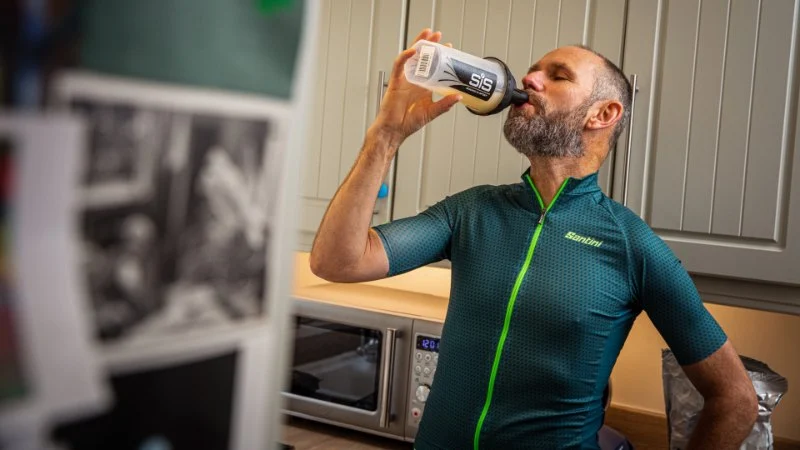
- Why-Recovery-Drinks-Matter-After-Intense-Cycling-Rides
- Key-Nutrients-Cyclists-Need-for-Post-Ride-Recovery
- Types-of-Recovery-Drinks-Cyclists-Often-Use
- How-to-Choose-the-Right-Recovery-Drink-for-Your-Ride
- Real-Cyclist-Experience-Recovering-After-a-Long-Ride
- Building-a-Consistent-Recovery-Routine-for-Cyclists
Why Recovery Drinks Matter After Intense Cycling Rides
Long-distance cycling, hill climbs, and high-intensity training sessions place significant stress on the body. During demanding rides, cyclists lose fluids through sweat, burn stored carbohydrates for energy, and place strain on muscle fibers. Once the ride ends, the body immediately begins the recovery process.
This is where the best cycling recovery drinks for after intense rides become valuable. Proper recovery drinks help replenish fluids, restore glycogen levels, and provide nutrients that support muscle repair. For both professional cyclists and weekend riders, post-ride recovery can strongly influence how quickly the body feels ready for the next ride.
1. The Role of Recovery Nutrition in Cycling
1.1 Replacing Lost Fluids
During intense rides, cyclists can lose large amounts of fluid through sweat, especially in warm weather or during long climbs. Rehydration helps restore normal body function.
1.2 Supporting Muscle Repair
Hard efforts cause small muscle fiber damage that must be repaired through proper nutrition and rest.
Many cycling communities recommend planning recovery strategies in advance. Platforms like Cycling Guider often share practical guidance on recovery nutrition, cycling gear, and training routines to support better post-ride performance.
Key Nutrients Cyclists Need for Post-Ride Recovery
Effective recovery drinks usually contain several key nutrients that help the body recover efficiently.
2. Carbohydrates for Energy Restoration
2.1 Rebuilding Glycogen Stores
Carbohydrates replenish glycogen, which is the primary energy source used during intense cycling.
2.2 Quick Absorption
Liquid carbohydrate sources can often be absorbed faster than solid foods immediately after exercise.
3. Protein for Muscle Recovery
3.1 Repairing Muscle Tissue
Protein provides amino acids that help rebuild damaged muscle fibers.
3.2 Supporting Adaptation
Consistent protein intake supports long-term training adaptations and strength development.
4. Electrolytes for Hydration Balance
4.1 Sodium and Potassium
Electrolytes help maintain proper fluid balance and nerve function after long rides.
4.2 Preventing Muscle Cramps
Restoring electrolyte levels may reduce the likelihood of cramping during recovery.
Many cyclists learn about nutrition strategies and hydration options through communities such as Cycling Guider, where riders exchange practical tips on fueling and recovery.
Types of Recovery Drinks Cyclists Often Use
There are many different types of drinks cyclists use after challenging rides. Each type offers specific recovery benefits.
5. Chocolate Milk
5.1 Balanced Carbohydrates and Protein
Chocolate milk has gained popularity among athletes because it naturally provides carbohydrates and protein in a balanced ratio.
5.2 Easy Availability
It is widely available and often affordable compared to specialized sports drinks.
6. Protein Recovery Shakes
6.1 Concentrated Protein Sources
Protein shakes allow cyclists to quickly consume essential amino acids needed for muscle repair.
6.2 Customizable Ingredients
Many riders add fruits, oats, or nut butter to enhance nutritional value.
7. Electrolyte Recovery Drinks
7.1 Rapid Rehydration
Electrolyte drinks help restore minerals lost during sweating.
7.2 Ideal for Hot Weather Rides
They are especially helpful after rides in high temperatures or during endurance events.
8. Smoothies with Whole Ingredients
8.1 Natural Nutrient Sources
Fruit smoothies provide carbohydrates, vitamins, and hydration.
8.2 Added Protein Options
Greek yogurt or protein powder can increase recovery benefits.
How to Choose the Right Recovery Drink for Your Ride
Not every ride requires the same recovery approach. The ideal drink depends on ride intensity, duration, and environmental conditions.
9. Short Training Rides
9.1 Moderate Hydration Needs
For shorter rides, simple hydration combined with balanced meals may be sufficient.
9.2 Light Recovery Nutrition
A small protein shake or smoothie may help accelerate recovery.
10. Long or High-Intensity Rides
10.1 Higher Carbohydrate Demand
Long rides often require greater carbohydrate intake to restore glycogen.
10.2 Electrolyte Replacement
Electrolytes become especially important during long rides in warm conditions.
Cycling resources like Cycling Guider often recommend adjusting recovery strategies depending on training goals and ride conditions.
Real Cyclist Experience: Recovering After a Long Ride
A recreational cyclist named Mark from Oregon once described his experience after completing a challenging mountain route that included several steep climbs and nearly 4,000 feet of elevation gain.
After the ride, he initially focused only on drinking water. However, he found himself feeling unusually fatigued the next day.
Later, after learning more about the best cycling recovery drinks for after intense rides, Mark began incorporating a simple recovery routine that included a carbohydrate-rich smoothie with protein and electrolytes.
Within a few weeks, he noticed that his recovery time improved and he felt more prepared for his next training sessions.
Building a Consistent Recovery Routine for Cyclists
Recovery is not just about what happens after one ride. It is part of a larger training strategy that supports long-term performance and enjoyment of the sport.
11. Hydrate Immediately After Riding
11.1 Early Rehydration Window
Drinking fluids soon after finishing a ride helps the body begin recovery quickly.
11.2 Combine Fluids with Nutrients
Recovery drinks that contain carbohydrates and protein may improve nutrient absorption.
12. Pair Recovery Drinks with Balanced Meals
12.1 Whole Foods for Complete Nutrition
Recovery drinks are helpful but should complement a balanced meal that includes vegetables, healthy fats, and protein.
12.2 Consistent Nutrition Habits
Maintaining consistent recovery nutrition helps cyclists perform better over time.
Many riders rely on cycling communities and resources such as Cycling Guider to learn about effective recovery strategies, hydration techniques, and nutrition habits that support strong and sustainable cycling performance.
Understanding the best cycling recovery drinks for after intense rides helps cyclists restore energy, reduce fatigue, and prepare their bodies for the next adventure on the road or trail.




 Snapcycle (ATB)1.0 (1 reviews)
 Playtri Dallas4.0 (256 reviews)
 Bicycle Roots4.0 (772 reviews)
 Bob's Beach Bicycle Works4.0 (276 reviews)
 Propel Electric Bikes4.0 (15 reviews)
 Trek Bicycle Easton4.0 (560 reviews)
 How to Teach Kids to Ride a Bike: A Step-by-Step Guide for Parents
 Tips for Riding on Busy City Streets: Smart Strategies for Urban Cyclists
 Best US National Parks for Mountain Biking: Ride Epic Trails Across America
 Best Aero Helmets for Time Trials and Racing
 How to Clean and Lubricate Your Bike Chain Like a Pro
 10 Must-Have Items for Long-Distance Cycling Trips