
- 1- Overview of Route 66
- 2- Preparing for a Bike Ride Across Route 66
- 3- Essential Gear and Equipment for Your Ride
- 4- Navigating the Challenges of Route 66
- 5- Real-Life Stories from Riders of Route 66
Overview of Route 66
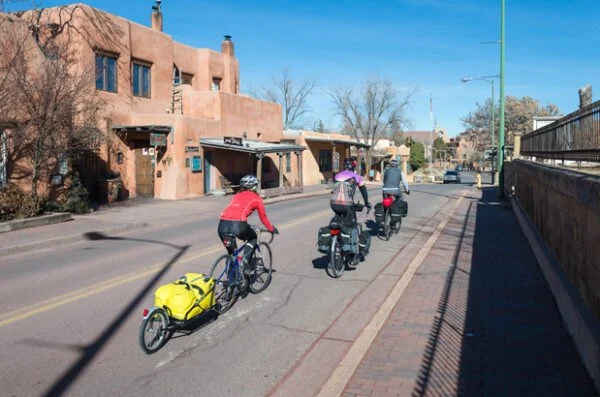
Route 66, also known as the "Main Street of America," is one of the most famous highways in the United States. Stretching from Chicago to Santa Monica, this iconic route spans nearly 2,500 miles, passing through eight states and offering cyclists a unique journey through diverse landscapes, historic towns, and bustling cities. Whether you're seeking adventure, history, or a challenge, riding a bike across Route 66 is an unforgettable experience.
The History and Significance of Route 66
Originally established in 1926, Route 66 became the primary route for those traveling west, especially during the Great Depression. Over the years, it became ingrained in American culture, symbolizing freedom and exploration. Although much of the route has been replaced by interstate highways, many sections of the original Route 66 remain, allowing riders to experience both the charm of the old and the modern evolution of America.
What Makes Route 66 a Popular Cycling Destination?
For cyclists, Route 66 offers a combination of scenic beauty, historical landmarks, and the opportunity to traverse some of the most iconic locations in the U.S. From the deserts of Arizona to the flatlands of Illinois, cycling along this route presents a unique challenge that attracts cyclists of all levels.
Preparing for a Bike Ride Across Route 66
Before setting out on such a long-distance journey, proper preparation is crucial to ensure a safe and enjoyable ride. Here’s what you need to consider:
1. Plan Your Route and Itinerary
Route 66 offers numerous attractions and detours, so planning your route and daily mileage is essential. The ride can take anywhere from a few weeks to a month, depending on your pace and how many stops you make along the way. Break down the route into manageable segments and decide where you will stay overnight, whether in hotels, motels, or campgrounds.
2. Training for the Ride
A bike ride across Route 66 is a physical challenge that requires preparation. Start training months in advance by building your endurance and strength. Incorporate long-distance cycling into your routine and make sure to train in various conditions, including hills, flat terrain, and wind resistance. It’s also important to practice riding with your fully loaded bike to simulate the experience during your trip.
3. Know the Weather and Seasons
The weather can vary dramatically depending on the time of year and where you are on the route. You’ll likely encounter hot temperatures in the southwest, especially during summer months, and potentially cold weather in the Midwest and northern states. Be sure to check the forecast and pack accordingly. Aim to ride in the spring or fall for more moderate temperatures, avoiding the extreme heat of summer and the cold winters.
Essential Gear and Equipment for Your Ride
Having the right gear and equipment can make or break your cycling journey across Route 66. Here are some must-have items for your bike ride:
1. A Reliable Touring Bike
For long-distance cycling, a touring bike is your best bet. These bikes are designed to handle the weight of loaded panniers and offer stability over long distances. Ensure your bike is comfortable, with features like a relaxed geometry and sufficient gearing for varying terrain.
2. Panniers and Bikepacking Bags
Since you’ll be cycling for long stretches, you’ll need to carry your gear, food, and supplies. Invest in high-quality panniers or bikepacking bags that are waterproof and durable. Make sure to pack light, focusing on essentials like clothes, tools, a first-aid kit, and food.
3. Navigation Tools
While Route 66 is well-marked in many areas, it’s still a good idea to carry a GPS device or map. Smartphones with offline maps are helpful, but make sure you also have a backup plan in case of battery failure. Download the Route 66 route and key waypoints beforehand for peace of mind.
4. Camping Gear (If You Plan to Camp)
If you plan to camp along the route, carry lightweight camping gear, including a tent, sleeping bag, and cooking supplies. Many parts of Route 66 pass through remote areas, so camping can be a good way to rest and enjoy the outdoors. However, always check ahead for campsites or safe places to pitch your tent.
Navigating the Challenges of Route 66
While cycling across Route 66 is an exciting and rewarding experience, it comes with its own set of challenges. Here are some common obstacles and how to overcome them:
1. Traffic and Road Conditions
In some areas, Route 66 is still heavily trafficked, and cycling along these stretches can be dangerous. Always wear visible clothing, use bike lights, and adhere to traffic laws. In rural sections, be prepared for poorly maintained roads and potholes. A sturdy bike with good tires and suspension will help you handle these conditions.
2. Availability of Services
While many parts of Route 66 have been modernized, some stretches still lack services like restaurants, stores, or bike repair shops. Plan ahead to ensure you have enough water, food, and tools for basic repairs. Carry extra inner tubes, a pump, and any necessary spare parts for your bike.
3. Extreme Weather
The weather on Route 66 can be unpredictable, with hot days in the desert and cooler temperatures in higher elevations. Stay hydrated, wear sunscreen, and take breaks in shaded areas. If you’re riding during the summer months, start early in the morning to avoid the midday heat.
Real-Life Stories from Riders of Route 66
Real-life experiences can offer great insight into what you can expect on a Route 66 bike ride. Take, for example, Jake and Emily, who completed the route in 30 days. They shared their experience: “The toughest part was cycling through the desert with little shade and no services for miles. But the sense of accomplishment when we reached Santa Monica made it all worth it. We met so many friendly locals along the way, and it was an unforgettable experience.”
Jake and Emily’s story is a reminder of the resilience and determination needed for such a ride. With the right mindset and preparation, cycling across Route 66 can be one of the most rewarding adventures of your life.
If you're ready to embark on the adventure of a lifetime, make sure to check out Cycling Guider for expert advice on gear, training, and other resources to help you prepare for your Route 66 bike ride.


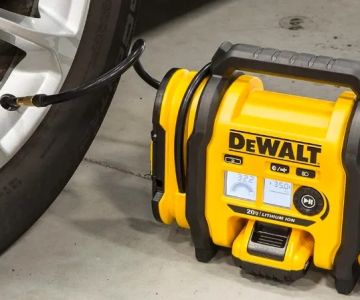
 Marshall's Bikes -Buy/Sell/Trade/Fix5.0 (23 reviews)
 Maverick Bikes4.0 (261 reviews)
 ChucknRoll Bikes4.0 (37 reviews)
 Mission Hills Bicycle Shop3.0 (86 reviews)
 Carson Schwinn Cyclery4.0 (74 reviews)
 Volts - Electric BIkes5.0 (7 reviews)
 How to Teach Kids to Ride a Bike: A Step-by-Step Guide for Parents
 Tips for Riding on Busy City Streets: Smart Strategies for Urban Cyclists
 Best US National Parks for Mountain Biking: Ride Epic Trails Across America
 Best Aero Helmets for Time Trials and Racing
 How to Clean and Lubricate Your Bike Chain Like a Pro
 10 Must-Have Items for Long-Distance Cycling Trips