
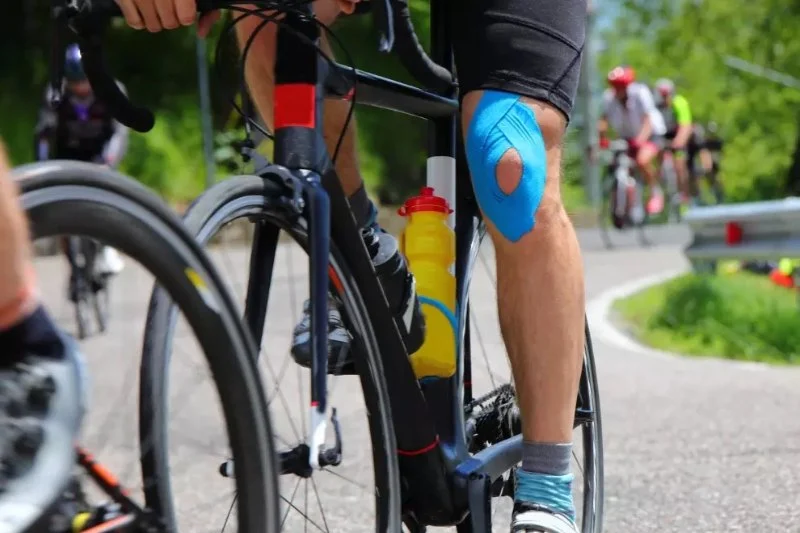
- 1-understanding-overuse-injuries-in-cycling
- 2-common-injuries-in-cycling: Knees, Back, and Wrists
- 3-preventive-strategies-to-avoid-overuse-injuries
- 4-improving-your-cycling-technique-for-injury-prevention
- 5-proper-gear-for-cycling-to-avoid-injuries
- 6-real-life-case-of-preventing-overuse-injuries-in-cycling
- 7-maintaining-long-term-health-and-injury-free-cycling
1. Understanding Overuse Injuries in Cycling
Cycling is a fantastic low-impact exercise that provides numerous health benefits. However, it also comes with the risk of overuse injuries, especially for those who cycle frequently or intensely. Overuse injuries occur when the body’s tissues—such as muscles, tendons, or ligaments—are subjected to repetitive motion over time without adequate rest or recovery.
Understanding how to prevent overuse injuries in cycling: knees, back, and wrists is key to enjoying long-term cycling without pain or discomfort. These injuries are often subtle at first but can become debilitating if not addressed early. Recognizing the risk factors and taking proactive steps can make all the difference.
2. Common Injuries in Cycling: Knees, Back, and Wrists
Certain body parts are particularly vulnerable to overuse during cycling. The most common cycling injuries involve the knees, back, and wrists. Here's a closer look at why these areas are susceptible:
1. Knee Pain
Knee injuries, such as patellofemoral pain syndrome (also known as “cyclist’s knee”), are common due to repetitive pedaling motions. This pain can occur around the kneecap and may worsen with increased cycling intensity or improper bike setup.
2. Back Pain
Lower back pain is another frequent issue, especially for riders who maintain poor posture or have their bike seat positioned too high or low. Over time, this misalignment can strain the muscles and ligaments of the lower back.
3. Wrist Strain
Wrist pain is common in cyclists who grip the handlebars too tightly or maintain a fixed hand position for long periods. Overuse can lead to issues like carpal tunnel syndrome, which causes numbness, tingling, and pain in the wrists and hands.
3. Preventive Strategies to Avoid Overuse Injuries
Taking proactive steps to prevent overuse injuries can make your cycling experience more enjoyable and less painful. Here are some key strategies:
1. Proper Warm-up and Stretching
Before heading out on a ride, always warm up with gentle cycling or dynamic stretches to prepare your muscles and joints. Focus on the lower body, particularly the quads, hamstrings, and calves, as these areas do the most work during cycling.
2. Take Breaks During Long Rides
During long rides, be sure to take breaks every 45 minutes to an hour. Stand up, stretch, and change your riding position to reduce strain on your knees, back, and wrists.
3. Gradually Increase Intensity
When increasing your cycling distance or intensity, do so gradually to give your muscles and joints time to adapt. Sudden increases in workload can put undue stress on your body.
4. Improving Your Cycling Technique for Injury Prevention
Proper cycling technique plays a critical role in preventing overuse injuries. Here are some key aspects to focus on:
1. Maintain Proper Posture
Ensure your back is straight and your shoulders are relaxed. Avoid hunching over or leaning too far forward, as this can lead to back pain. Keep your elbows slightly bent and hands light on the handlebars to prevent wrist strain.
2. Optimize Your Pedaling Technique
A smooth, circular pedaling motion can reduce strain on your knees. Avoid stomping or using excessive force, and focus on evenly distributing pressure throughout the pedal stroke.
3. Check Your Bike Fit
Ensure that your bike is properly fitted to your body. The seat should be at a height that allows for a slight bend in your knee at the bottom of each pedal stroke. The handlebars should be positioned to allow for a comfortable grip without straining your wrists or back.
5. Proper Gear for Cycling to Avoid Injuries
Wearing the right gear can also help prevent injuries and improve your overall cycling experience.
1. Cycling Gloves
Wearing padded cycling gloves can reduce pressure on your wrists and palms, improving comfort during long rides.
2. Appropriate Footwear
Wearing proper cycling shoes with stiff soles helps with efficient pedaling and reduces stress on the knees.
3. Correct Saddle Positioning
Adjusting the saddle to the right height and angle helps prevent unnecessary strain on your knees and lower back. A saddle with adequate padding also improves comfort during long rides.
6. A Real-Life Case of Preventing Overuse Injuries in Cycling
Consider the case of Sarah, an avid cyclist who began experiencing knee pain after increasing her cycling distance. At first, she ignored the discomfort, but it quickly worsened to the point where she had trouble walking. After consulting with a specialist, Sarah learned that her bike saddle was too low, putting excessive strain on her knees.
By adjusting her saddle height and following a proper warm-up routine before every ride, Sarah was able to relieve her knee pain and get back to cycling pain-free. This case underscores the importance of paying attention to your body and taking corrective measures early to prevent more serious injuries.
7. Maintaining Long-Term Health and Injury-Free Cycling
To enjoy cycling for years to come, it’s important to take care of your body and maintain a routine that includes injury prevention strategies:
1. Strength Training
Incorporating strength training exercises for your core, legs, and arms helps build muscle and support joints, reducing the risk of injury.
2. Focus on Flexibility
Regular stretching and yoga can improve flexibility, which is crucial for maintaining mobility and preventing strain in the knees, back, and wrists.
3. Rest and Recovery
Rest is just as important as exercise. Give your body time to recover between rides to avoid overuse injuries.
Understanding how to prevent overuse injuries in cycling: knees, back, and wrists allows cyclists to stay healthy and enjoy their rides without unnecessary pain or discomfort. By focusing on proper technique, gear, and preventive strategies, you can continue cycling safely and effectively for years to come.






 ELECRUISER ELECTRIC BIKES Since 20210.0 (0 reviews)
 Rocky's Cyclery & Fitness Lock&Key4.0 (90 reviews)
 Dandelion Bikes4.0 (44 reviews)
 Big Cat Electric Bikes4.0 (44 reviews)
 Phat Tire Bike Shop4.0 (109 reviews)
 Mercury Endurance Cycles4.0 (62 reviews)
 How to Teach Kids to Ride a Bike: A Step-by-Step Guide for Parents
 Tips for Riding on Busy City Streets: Smart Strategies for Urban Cyclists
 Best US National Parks for Mountain Biking: Ride Epic Trails Across America
 Best Aero Helmets for Time Trials and Racing
 How to Clean and Lubricate Your Bike Chain Like a Pro
 10 Must-Have Items for Long-Distance Cycling Trips