
- Why Pacing Matters in Triathlon
- Understanding Your Triathlon Bike Leg
- How to Pace Yourself During the Bike Leg
- Key Pacing Strategies for Beginners
- Fueling and Recovery Tips for the Bike Leg
Why Pacing Matters in Triathlon
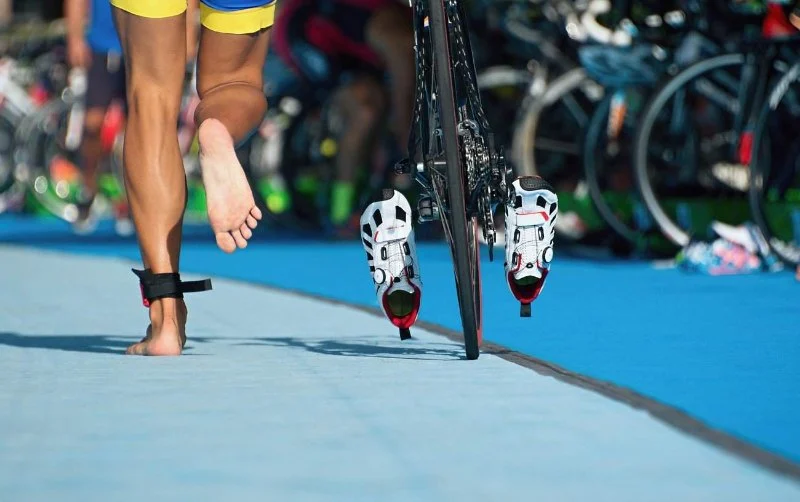
In triathlon, the bike leg can make or break your overall performance. Whether you're a seasoned cyclist or new to the sport, pacing yourself is crucial to ensure you have enough energy to complete all three disciplines. Without proper pacing, you may burn out during the bike or struggle to finish the run. Understanding the importance of pacing and managing your effort is key to a successful triathlon.
1. Maximizing Performance
Pacing helps maximize your performance by balancing your energy over the course of the entire race. Going too hard in the bike leg may leave you too fatigued for the run, while pacing too conservatively can cost you valuable time.
2. Avoiding Burnout
The bike leg in triathlon is often the longest segment, and many first-timers overestimate how much effort they can sustain. By pacing yourself effectively, you avoid the risk of burning out, ensuring you can finish strong on the run.
Understanding Your Triathlon Bike Leg
The bike leg is where you can gain the most time over other athletes, especially since cycling tends to be more efficient than running. Understanding the distances, terrain, and your own fitness level will help you pace yourself appropriately.
1. Distance and Terrain
Triathlon bike legs typically range from 10 to 112 miles, depending on the race format. The course may feature flat stretches, rolling hills, or challenging climbs. The terrain plays a big role in pacing — flat sections will allow for faster speeds, while hills require more energy and should be approached more conservatively.
2. Fitness Level and Experience
Your cycling experience and fitness level are crucial factors in determining your pacing strategy. If you're new to cycling or the triathlon sport, it’s essential to start slow and build your confidence before pushing yourself. Experienced cyclists may pace more aggressively but still need to keep an eye on their heart rate and overall effort.
How to Pace Yourself During the Bike Leg
Pacing yourself during the bike leg of a triathlon is a skill that improves with practice. Here are some essential tips on how to pace yourself:
1. Monitor Your Heart Rate
One of the best ways to pace yourself is by keeping an eye on your heart rate. During the bike leg, aim for 70-80% of your maximum heart rate. If you push too hard early on, you risk overexerting yourself and burning out later. Use a heart rate monitor to stay within your optimal range for endurance.
2. Use the RPE (Rate of Perceived Effort) Scale
If you don’t have a heart rate monitor, use the RPE scale to gauge your effort. On a scale of 1 to 10, where 1 is resting and 10 is maximum effort, aim for an effort level of 6 to 7 during the bike leg. This ensures you're working hard but not at the expense of your stamina.
3. Maintain a Consistent Pace
A key to successful pacing is maintaining a consistent effort throughout the bike leg. Avoid sudden bursts of speed, especially early on. If you start fast, you'll tire more quickly and struggle during the run. Instead, aim for a steady pace that allows you to conserve energy for the entire event.
4. Adjust for Terrain
During your race, adjust your pace according to the terrain. On flatter sections, you can push yourself a little more, but when approaching a hill, ease off and shift into an easier gear to avoid burning out. Conserve your energy on the uphill, so you have the stamina to attack the downhill or flat sections that follow.
Key Pacing Strategies for Beginners
For beginners, pacing can be one of the most challenging aspects of the race. Here are a few strategies that can help you stay on track:
1. Start Conservatively
It’s tempting to go all out at the beginning of the bike leg, but this can lead to fatigue later on. Starting conservatively helps build a strong foundation and ensures that you don’t overexert yourself in the first half of the race.
2. Break the Bike Leg into Segments
If you’re feeling overwhelmed by the distance, break the bike leg into smaller segments. Focus on getting through each mile or each climb, rather than worrying about the entire leg at once. This mental approach can help you pace more effectively and reduce race anxiety.
3. Stay Relaxed
Stress and tension can lead to premature fatigue. Focus on staying relaxed during the bike leg by keeping your shoulders loose, maintaining good posture, and keeping your breathing steady.
Fueling and Recovery Tips for the Bike Leg
Proper fueling during the bike leg is essential for maintaining energy and avoiding fatigue. Here are a few tips to fuel your ride effectively:
1. Stay Hydrated
Proper hydration is key to maintaining your energy levels. Drink regularly throughout the bike leg, aiming for 16-20 ounces of water or electrolyte drink per hour. Make sure to drink early and often to avoid dehydration.
2. Eat Small, Frequent Snacks
Consume small, easy-to-digest snacks like energy gels, bars, or bananas. Eating small amounts throughout the bike leg is more effective than waiting until you’re starving. Aim for 30-60 grams of carbohydrates per hour.
3. Recovery Post-Race
After the bike leg, recovery is just as important as pacing. Rehydrate and refuel with a mix of carbohydrates and protein to help your body recover and prepare for the run. Stretch and cool down to avoid tight muscles and cramps.
For more tips on triathlon training and gear recommendations, check out Cycling Guider for expert advice and products to help you reach your triathlon goals!


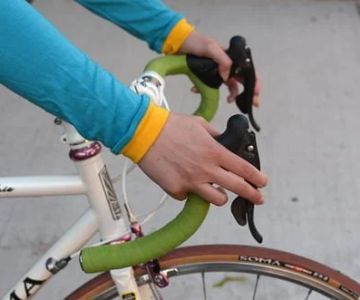
 Bike Shop LA4.0 (86 reviews)
 Green Light Bicycle Shop4.0 (115 reviews)
 CZJB MOTOR5.0 (1 reviews)
 Eastern Panhandle Bicycle Company4.0 (66 reviews)
 Pedego Electric Bikes Castle Rock4.0 (25 reviews)
 Rock Cut E-Bikes4.0 (27 reviews)
 How to Teach Kids to Ride a Bike: A Step-by-Step Guide for Parents
 Tips for Riding on Busy City Streets: Smart Strategies for Urban Cyclists
 Best US National Parks for Mountain Biking: Ride Epic Trails Across America
 Best Aero Helmets for Time Trials and Racing
 How to Clean and Lubricate Your Bike Chain Like a Pro
 10 Must-Have Items for Long-Distance Cycling Trips