
Bike Chain Lubrication: Clean, Apply, and Wipe Excess
On this page
Quick answer
Lubricate a bicycle chain when it sounds dry, moves roughly, or has been cleaned or ridden through wet conditions. Wipe off surface dirt, choose a lubricant suited to the weather and manufacturer guidance, place a small drop on each roller, let it settle, then wipe the chain thoroughly. Stop if you find stiff, rusted, bent, or damaged links.
What bicycle chain lubrication actually does
Bicycle chain lubrication reduces friction inside the chain's rollers and between moving metal surfaces. The useful lubricant belongs inside those contact points, not as a wet coating over the outside plates. An oily exterior attracts dust and grit, which can form an abrasive paste and make the drivetrain dirty without improving lubrication where it matters.
This guide is for everyday riders in the United States maintaining a conventional derailleur or single-speed bicycle chain. It may not apply to belt drives, fully enclosed chains, factory-waxed chains, or specialty drivetrains. Follow the chain, lubricant, and bicycle manufacturers' instructions when they differ, and use a qualified bicycle mechanic if wear or damage is unclear.
Practical checklist
- Check the chain in good light for rust, bent plates, damaged rollers, stiff links, or unusual side-to-side movement.
- Choose a bicycle-specific wet, dry, all-weather, or wax-based lubricant that matches the expected conditions and the chain manufacturer's guidance.
- Use a clean rag, a small dropper bottle, and gloves if desired; protect brake rotors, rims, tires, and the floor from oil.
- Do not spray lubricant broadly across the drivetrain because overspray can contaminate braking surfaces.
- Remove loose dirt before adding lubricant; a heavily soiled drivetrain needs a fuller cleaning rather than another oily layer.
- Plan enough time for the product's stated settling or drying period before riding.
- After application, wipe the chain until the outside feels nearly dry while leaving lubricant inside the rollers.
Step-by-step plan
- Shift to a gear that lets the pedals and chain move smoothly while the bicycle is securely supported. Keep fingers, loose clothing, and the rag away from chainrings and sprockets.
- Turn the cranks slowly by hand and wipe the chain's outer plates and rollers with a clean, dry rag. Replace the rag section as it becomes dirty.
- Inspect one full chain rotation. If links are stiff, damaged, deeply rusted, or unusually loose, stop and arrange a wear measurement or professional inspection before riding.
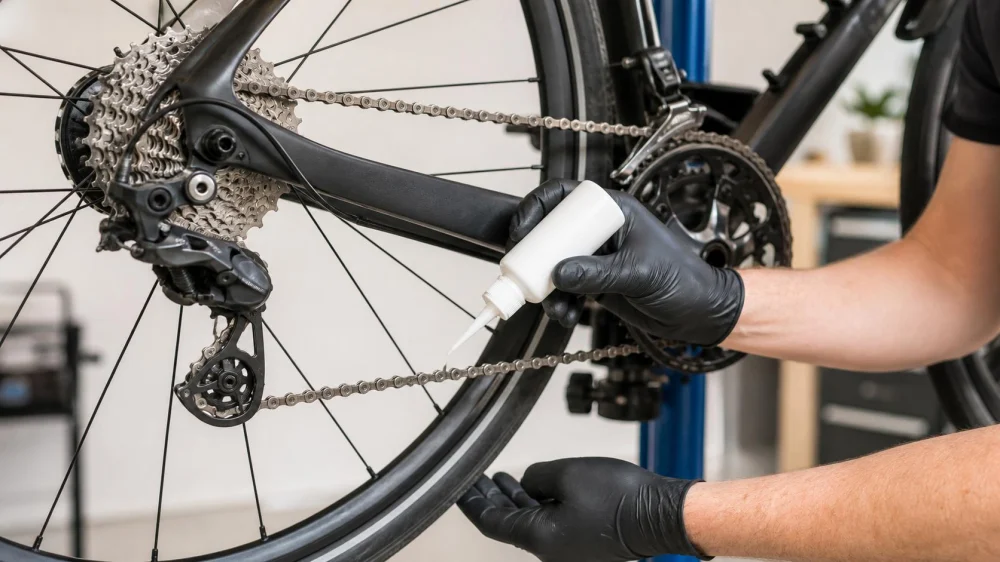
- Position the bottle close to the lower chain run. Apply one small drop to each roller while turning the cranks slowly, avoiding the cassette, chainrings, brakes, tire, and floor.
- Continue rotating the cranks for several turns to distribute the lubricant, then allow the product to settle for the time stated on its label or instructions.
- Hold a clean rag lightly around the lower chain and rotate the cranks backward several turns. Repeat with a clean section until little residue transfers.
- Take a short, low-speed test ride in a safe area. Listen for persistent noise and check shifting; stop if the chain skips, binds, or behaves unpredictably.
A simple maintenance note can include the date, weather conditions, lubricant type, cleaning performed, and any noise or shifting issue. This helps you avoid adding lubricant only by calendar and shows whether wet rides, dust, storage, or mileage are shortening the useful interval.
Limits and important notes
There is no universal lubrication interval. Rain, road spray, dust, storage, chain design, product chemistry, and riding distance all change the timing. A noisy chain may also indicate wear, contamination, poor adjustment, or damaged parts. Lubricant cannot repair elongation, bent links, worn sprockets, or a drivetrain that skips under load.
Keep all lubricant and degreaser away from disc rotors, brake pads, rim-braking tracks, and tires. If a braking surface is contaminated, follow the brake manufacturer's cleaning or replacement guidance before riding. Ask a bicycle mechanic to inspect persistent skipping, grinding, seized links, visible damage, heavy corrosion, or chain wear you cannot measure confidently.
Frequently asked questions
Should I use wet lube or dry lube?
Wet lubricants generally resist rain and wash-off better but can hold more dirt. Dry or wax-based products can stay cleaner in dry, dusty conditions but may need more frequent reapplication. Choose for the forecast and product instructions rather than assuming one type is always superior.
Can I lubricate a dirty bicycle chain?
Remove loose surface dirt first. If the chain is coated with thick black residue or gritty contamination, clean it according to the drivetrain and lubricant instructions, let it dry as directed, and then lubricate. Adding oil over heavy dirt can trap abrasive material.
How much chain lubricant should I apply?
A controlled small drop on each roller is a practical starting method for many drip lubricants. More is not automatically better. Follow the product directions, allow the stated settling time, and wipe away exterior excess so the chain does not remain visibly wet.
Why does my chain still make noise after lubrication?
The cause may be incomplete application, a stiff link, chain or sprocket wear, poor derailleur adjustment, contamination, or contact elsewhere on the bicycle. Do not keep adding oil blindly; inspect the drivetrain or ask a mechanic to diagnose the sound.
Can household oil or penetrating spray replace bike chain lube?
Use a bicycle-chain product compatible with your drivetrain unless the chain manufacturer specifies otherwise. General-purpose oils and penetrating products may not provide the intended durability or contamination control, and sprays are harder to keep away from brakes.
Sources and evidence
This guidance reflects common bicycle-maintenance practice: keep lubricant inside the rollers, remove exterior excess, protect braking surfaces, and inspect rather than lubricate damaged parts. Confirm the exact procedure, compatibility, drying time, and replacement limits in the current instructions from the bicycle, chain, drivetrain, brake, and lubricant manufacturers.
Conclusion and next steps
Make chain care a condition-based habit: inspect, wipe, lubricate precisely, wait as directed, and remove excess. Recheck after wet or dusty rides and before a longer outing. If the chain remains noisy, skips, binds, shows corrosion, or measures beyond the manufacturer's wear limit, stop treating lubrication as the solution and arrange adjustment or replacement before the next demanding ride.



 Green Machine Bike Shop4.0 (38 reviews)
 Village CycleSport4.0 (548 reviews)
 Bike Barn4.0 (443 reviews)
 Twin Cities Tandems - Open by Appointment5.0 (17 reviews)
 Chain Lube5.0 (1 reviews)
 Bicycle Tech4.0 (630 reviews)
 How to Teach Kids to Ride a Bike: A Step-by-Step Guide for Parents
 Tips for Riding on Busy City Streets: Smart Strategies for Urban Cyclists
 Best US National Parks for Mountain Biking: Ride Epic Trails Across America
 Best Aero Helmets for Time Trials and Racing
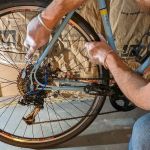 How to Clean and Lubricate Your Bike Chain Like a Pro
 10 Must-Have Items for Long-Distance Cycling Trips