
- 1. Understanding Heat Waves and Their Impact on Cycling
- 2. Sun Protection Tips for Cyclists
- 3. The Importance of Hydration During Heat Waves
- 4. Timing Your Ride to Avoid Extreme Heat
- 5. Real-Life Experience: A Cyclist’s Strategy for Heat Waves
- 6. Why Choose Cycling Guider for Your Cycling Gear and Advice
1. Understanding Heat Waves and Their Impact on Cycling
Heat waves can be challenging for cyclists, especially when temperatures soar to dangerous levels. Riding in hot weather increases the risk of dehydration, heat exhaustion, and heat stroke. The combination of high temperatures and intense sun can make even short rides feel unbearable and unsafe.
Understanding how heat waves affect your body and your cycling performance is the first step in managing these conditions. When the body gets too hot, it works harder to regulate its temperature, leading to faster fatigue and reduced performance. Heat waves can also amplify the effects of sunburn, dehydration, and overexertion, making it important to take proper precautions during your ride.
2. Sun Protection Tips for Cyclists
Sun protection is essential when cycling in heat waves, as prolonged exposure to the sun can lead to harmful UV damage, sunburn, and long-term skin health issues. Here are some key sun protection tips for cyclists:
Use Broad-Spectrum Sunscreen
Applying sunscreen with a high SPF (at least 30) and broad-spectrum protection can help shield your skin from harmful UVA and UVB rays. Be sure to apply it generously on all exposed areas, including your face, neck, arms, and legs, and reapply every two hours or more often if you sweat excessively.
Wear Protective Clothing
Wearing light-colored, breathable clothing that covers your skin can provide additional protection from the sun. Consider investing in cycling-specific clothing that is designed with UV protection in mind. Lightweight hats or cycling caps can also shield your face and neck from the sun, and sunglasses with UV protection are crucial for protecting your eyes from glare and harmful rays.
Seek Shade When Possible
During longer rides, try to plan routes that allow you to stop in shaded areas for short breaks. This will not only help you cool down but also give your body a chance to recover from prolonged sun exposure.
3. The Importance of Hydration During Heat Waves
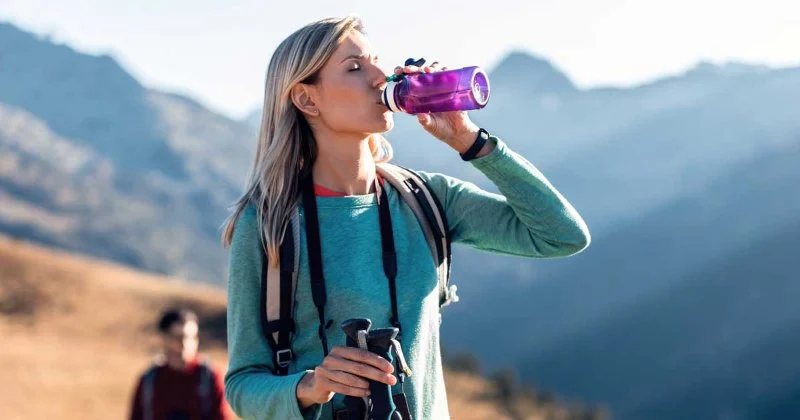
Proper hydration is one of the most critical factors in safely riding through heat waves. When you cycle in the heat, your body loses water through sweat, and if you don’t replace it, you can easily become dehydrated. Dehydration can lead to decreased performance, fatigue, dizziness, and even heatstroke in severe cases.
To stay hydrated, make sure to drink water before, during, and after your ride. Here are some hydration tips:
Pre-Hydrate Before Your Ride
Start your ride well-hydrated. Drinking water in the hours leading up to your ride can help ensure that your body is properly prepared for the heat. Aim for at least 16-20 ounces of water about 2 hours before cycling.
Hydrate During Your Ride
During the ride, drink about 8-10 ounces of water every 20-30 minutes. If your ride is particularly long or intense, consider using an electrolyte drink to replenish sodium, potassium, and other minerals lost through sweat.
Rehydrate After Your Ride
After your ride, continue drinking fluids to replace what you’ve lost. Opt for water or a recovery drink with electrolytes to restore your body’s hydration balance.
4. Timing Your Ride to Avoid Extreme Heat
One of the best ways to manage heat exposure while cycling is by choosing the right time of day to ride. Early mornings or late evenings are typically the coolest times, especially during the summer months.
Riding at cooler times not only helps you avoid extreme heat but also allows you to enjoy more comfortable and less stressful rides. Try to plan your rides to avoid peak sun hours, typically between 10 a.m. and 4 p.m., when the sun is at its strongest.
In addition to timing, make sure to monitor weather forecasts to check for any heat advisories or warnings. Adjust your riding schedule as needed to avoid excessive heat exposure.
5. Real-Life Experience: A Cyclist’s Strategy for Heat Waves
Mark, an avid cyclist from Arizona, has learned the importance of managing heat waves during his rides. During one particularly hot summer, he suffered from dehydration and sunburn after a midday ride in 100°F weather. Since then, he has made changes to his riding routine: he now rides early in the morning when temperatures are cooler, uses high-quality sunscreen, and ensures he stays hydrated with both water and electrolyte drinks. These adjustments have allowed him to enjoy his rides while staying safe in the heat.
6. Why Choose Cycling Guider for Your Cycling Gear and Advice
If you're looking to improve your cycling experience in the heat, Cycling Guider offers a wide range of gear designed to keep you safe and comfortable. From sun protection accessories to hydration packs, we provide everything you need to ride through heat waves with confidence. Our expert advice and top-quality products ensure you stay prepared for your cycling adventures in all conditions.
Visit Cycling Guider for all your cycling needs and stay cool, protected, and hydrated on your next ride.


 Foy's Bike Shop4.0 (65 reviews)
 Freedom Bike Works4.0 (233 reviews)
 Loam Roamer5.0 (1 reviews)
 Hempstead Village Bike Shop4.0 (135 reviews)
 ABC Bicycles 4th Street N4.0 (725 reviews)
 Marin Service Course5.0 (37 reviews)
 How to Teach Kids to Ride a Bike: A Step-by-Step Guide for Parents
 Tips for Riding on Busy City Streets: Smart Strategies for Urban Cyclists
 Best US National Parks for Mountain Biking: Ride Epic Trails Across America
 Best Aero Helmets for Time Trials and Racing
 How to Clean and Lubricate Your Bike Chain Like a Pro
 10 Must-Have Items for Long-Distance Cycling Trips