
- 1. Understanding Terrain-Specific Tire Needs
- 2. Why Modify MTB Tires for Snow, Mud, and Mixed Terrain
- 3. Choosing Tires for Snow and Ice
- 4. Choosing Tires for Muddy Conditions
- 5. Modifying MTB Tires for Mixed Terrain
- 6. Real-Life Examples of Successful MTB Tire Modifications
- 7. How Cycling Guider Can Help with MTB Tire Selection
1. Understanding Terrain-Specific Tire Needs
Mountain biking is all about adapting to different environments, and your bike tires play a crucial role in providing the necessary traction and control. Whether you're riding in snow, mud, or mixed terrain, each condition requires specific tire characteristics for optimal performance. Understanding these needs will guide you in selecting and modifying your tires accordingly.
2. Why Modify MTB Tires for Snow, Mud, and Mixed Terrain
Modifying your mountain bike tires for various terrains can significantly enhance your riding experience. Standard MTB tires may not perform well in extreme conditions such as snow or mud, leading to poor traction and control. Modifying your tires for these conditions ensures better grip, stability, and overall safety, allowing you to enjoy the ride even in challenging environments.
3. Choosing Tires for Snow and Ice
When riding in snow and ice, the primary goal is to maximize traction and prevent slippage. Here are some key factors to consider when selecting MTB tires for snowy terrain:
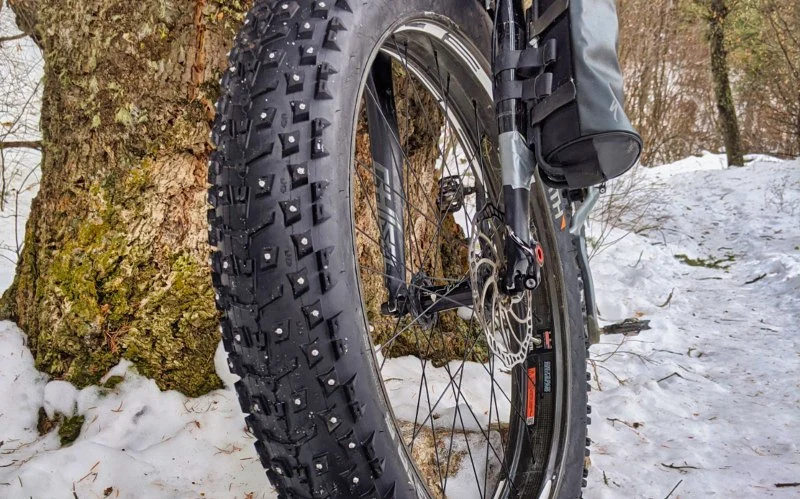
- Tire Width: Wider tires offer more surface contact with the snow, increasing grip and stability. Look for tires in the 2.8 to 4.0-inch range for optimal snow performance.
- Studded Tires: Consider adding studs to your tires for improved traction on icy surfaces. These metal spikes dig into the ice, providing better grip.
- Tire Tread Pattern: Tires with a low-profile tread pattern are ideal for snow as they provide more surface area to grip soft snow without sinking too much.
4. Choosing Tires for Muddy Conditions
In muddy conditions, the goal is to keep the tires from getting bogged down by the soft, sticky ground. Here’s how to choose the right tires for mud:
- Aggressive Tread: Muddy terrain demands tires with deep, widely spaced knobs that can dig into the ground and clear mud away as you ride.
- Wider Tires: Like snow, wider tires help distribute your weight and prevent sinking into the mud. They also allow for better control over slippery surfaces.
- Tire Pressure: Reducing tire pressure can help your tires conform better to the muddy surface, increasing grip and preventing spinning out.
5. Modifying MTB Tires for Mixed Terrain
Mixed terrain consists of a variety of surfaces, including rocks, dirt, grass, and sometimes even sand. Tires designed for mixed terrain need to offer versatility, allowing them to handle a variety of conditions without sacrificing performance. Here’s how to modify your tires for mixed terrain:
- All-Terrain Tires: Choose tires that strike a balance between speed and traction. Tires with a combination of larger knobs on the outside for grip and smaller knobs in the middle for speed are ideal.
- Adjustable Pressure: For mixed terrain, consider tires with a wider range of air pressure. Lowering the pressure on rough terrain can increase grip, while inflating the tires higher helps with smooth trails.
- Tubeless Tires: Opt for tubeless tires to reduce the risk of punctures and improve grip. Tubeless tires also allow for lower air pressure, which is beneficial for mixed terrain riding.
6. Real-Life Examples of Successful MTB Tire Modifications
Take the example of a mountain biker, John, who modified his tires for winter riding. Originally, John used standard all-terrain tires but struggled with icy conditions on the trails. After switching to studded tires, his experience dramatically improved. The studs provided better grip on ice, allowing him to ride confidently even in sub-zero temperatures. John's story highlights how selecting the right tires can transform your riding experience.
7. How Cycling Guider Can Help with MTB Tire Selection
At Cycling Guider, we understand the importance of choosing the right tires for your mountain biking adventures. Whether you're tackling snow, mud, or mixed terrain, we offer a variety of MTB tires designed for every condition. Visit our website to find the best tire options, tips on modification, and expert advice to ensure your bike is ready for any terrain.



 Foy's Bike Shop4.0 (65 reviews)
 Freedom Bike Works4.0 (233 reviews)
 Loam Roamer5.0 (1 reviews)
 Hempstead Village Bike Shop4.0 (135 reviews)
 ABC Bicycles 4th Street N4.0 (725 reviews)
 Marin Service Course5.0 (37 reviews)
 How to Teach Kids to Ride a Bike: A Step-by-Step Guide for Parents
 Tips for Riding on Busy City Streets: Smart Strategies for Urban Cyclists
 Best US National Parks for Mountain Biking: Ride Epic Trails Across America
 Best Aero Helmets for Time Trials and Racing
 How to Clean and Lubricate Your Bike Chain Like a Pro
 10 Must-Have Items for Long-Distance Cycling Trips