
- Understanding-The-Challenges-of-Desert-Riding
- Why-Hydration-Is-Critical-During-Desert-Rides
- Recognizing-Early-Signs-of-Heat-Exhaustion
- Planning-Hydration-Before-A-Desert-Ride
- Strategies-To-Stay-Hydrated-While-Riding
- Real-Life-Story-From-A-Desert-Cycling-Experience
- Essential-Gear-For-Desert-Riding-Safety
- Long-Term-Habits-For-Safe-Desert-Cycling
1. Understanding The Challenges of Desert Riding
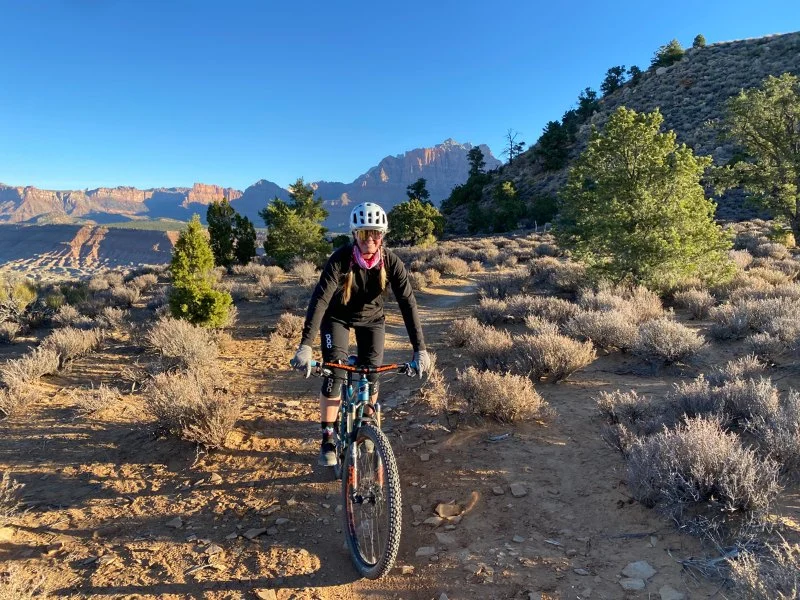
Desert cycling offers a unique and unforgettable experience. Wide open landscapes, quiet roads, and dramatic sunsets attract cyclists who enjoy adventure and solitude. However, riding in desert environments also presents significant challenges, particularly extreme heat and dehydration risks.
1.1 Extreme Temperatures
Desert regions can reach temperatures well above 100°F during peak daytime hours. Even early mornings can become warm quickly, making hydration and heat management essential for safe riding.
1.2 Limited Water Availability
Unlike urban routes, desert cycling paths often lack frequent water stops. Riders must plan carefully and carry enough hydration for the entire trip.
Many cyclists preparing for hot-weather rides explore safety advice and route planning tips through Cycling Guider, where experienced riders share practical strategies for riding in extreme environments.
2. Why Hydration Is Critical During Desert Rides
Hydration plays a crucial role in maintaining performance and preventing heat-related illnesses.
2.1 Preventing Dehydration
When riding in high temperatures, the body loses fluids rapidly through sweat. Without proper hydration, cyclists may experience fatigue, dizziness, and decreased endurance.
2.2 Maintaining Body Temperature
2.2.1 Sweating as Cooling Mechanism
Sweating helps regulate body temperature. However, excessive fluid loss without replenishment can disrupt this natural cooling process.
2.2.2 Electrolyte Balance
Electrolytes such as sodium and potassium are essential for muscle function and hydration balance during long rides.
3. Recognizing Early Signs of Heat Exhaustion
Understanding the warning signs of heat exhaustion can prevent serious health risks.
3.1 Physical Symptoms
Common early symptoms include heavy sweating, weakness, headaches, and dizziness.
3.2 Behavioral Changes
3.2.1 Confusion or Irritability
Heat exhaustion can affect mental clarity, causing confusion or unusual irritability.
3.2.2 Reduced Coordination
Cyclists may notice decreased balance or slower reaction times.
3.3 Escalating Danger Signs
If symptoms progress to nausea, rapid pulse, or fainting, immediate cooling and hydration are necessary.
4. Planning Hydration Before A Desert Ride
Effective hydration strategies begin before the ride even starts.
4.1 Hydrate the Day Before
Drinking sufficient water the day before a ride helps ensure the body begins the journey fully hydrated.
4.2 Choose the Right Ride Time
4.2.1 Early Morning Rides
Riding early in the morning reduces exposure to extreme midday heat.
4.2.2 Avoid Midday Temperatures
Temperatures typically peak between late morning and late afternoon in desert areas.
Many cyclists planning long desert routes often consult preparation tips available through Cycling Guider when organizing their ride schedules.
5. Strategies To Stay Hydrated While Riding
During the ride itself, maintaining hydration requires consistent effort.
5.1 Drink Small Amounts Frequently
Instead of drinking large amounts occasionally, cyclists should take small sips every 10 to 15 minutes.
5.2 Use Electrolyte Drinks
Electrolyte beverages help replenish minerals lost through sweat and support sustained energy levels.
5.3 Monitor Sweat Levels
Paying attention to sweat rate and thirst helps riders adjust fluid intake during longer rides.
6. Real Life Story From A Desert Cycling Experience
A cyclist riding through the Mojave Desert once shared an experience that highlighted the importance of proper hydration. During a long summer ride, the cyclist underestimated the amount of water needed and began feeling dizzy halfway through the route.
6.1 Quick Recovery Strategy
After stopping in the shade, drinking electrolyte water, and resting for several minutes, the rider was able to recover and safely continue.
6.2 Lessons Learned
This experience reinforced the importance of carrying extra water and planning hydration carefully before desert rides.
7. Essential Gear For Desert Riding Safety
The right equipment can significantly improve safety during hot-weather cycling.
7.1 Hydration Packs
Hydration backpacks allow riders to carry larger volumes of water and drink conveniently while riding.
7.2 Lightweight Breathable Clothing
Moisture-wicking clothing helps regulate body temperature and reduces heat buildup.
7.3 Sun Protection
Sunscreen, sunglasses, and helmets with ventilation protect riders from intense sunlight.
Cyclists researching desert riding gear and safety techniques often find helpful equipment recommendations through Cycling Guider.
8. Long Term Habits For Safe Desert Cycling
8.1 Gradually Adapt to Heat
Riders should slowly increase exposure to hot environments so the body can adjust to higher temperatures.
8.2 Always Carry Backup Water
Having extra water supplies can be critical if rides take longer than expected.
8.3 Ride With a Partner
Cycling with others provides additional safety in remote desert locations.
8.4 Learn From Experienced Cyclists
Many riders improve their desert cycling safety by learning from experienced cycling communities and resources like Cycling Guider.
By understanding how to manage hydration and heat exhaustion on desert rides, cyclists can enjoy challenging desert landscapes while protecting their health and maintaining strong riding performance.




 Fly E-Bike National St2.0 (15 reviews)
 Trek Bike Shop of Sunrise4.0 (724 reviews)
 Lexington Cycle5.0 (7 reviews)
 Broadway Bicycles4.0 (325 reviews)
 Bicycle Warehouse4.0 (201 reviews)
 Ferrara Cycle Shop3.0 (46 reviews)
 How to Teach Kids to Ride a Bike: A Step-by-Step Guide for Parents
 Tips for Riding on Busy City Streets: Smart Strategies for Urban Cyclists
 Best US National Parks for Mountain Biking: Ride Epic Trails Across America
 Best Aero Helmets for Time Trials and Racing
 How to Clean and Lubricate Your Bike Chain Like a Pro
 10 Must-Have Items for Long-Distance Cycling Trips