
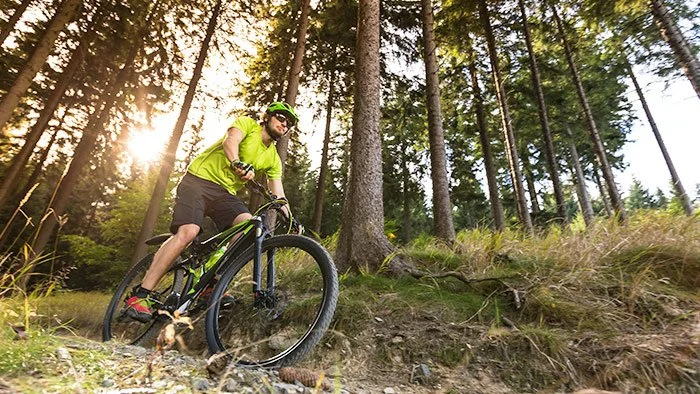
1. Introduction to Bike Handling on Technical Terrain
Mountain biking on technical terrain can be a thrilling yet challenging experience. Whether you're navigating rocky trails, tight switchbacks, or uneven ground, the ability to handle your bike with precision and control is key to maintaining both speed and safety. Improving your bike handling skills on technical terrain will not only boost your confidence but also enhance your overall riding performance.
2. Why Bike Handling Skills Matter on Technical Terrain
When riding on technical terrain, the obstacles and features you encounter require a higher level of control and skill. Poor bike handling can lead to accidents, slower times, and a less enjoyable ride. By improving your skills, you’ll be able to tackle difficult sections more efficiently and with greater ease, ensuring a smoother, safer, and more enjoyable ride.
2.1 Control Over Challenging Terrain
Technical terrain often includes obstacles like rocks, roots, steep drops, and loose soil. Without proper bike handling, navigating these features can be intimidating. Mastering bike control allows you to maintain balance and flow, making these obstacles easier to overcome.
2.2 Increased Confidence
When you feel confident in your ability to handle technical terrain, you’re more likely to push your limits and explore more challenging trails. Confidence in your bike handling also minimizes the risk of hesitation, which can lead to poor decisions on the trail and potential accidents.
3. Key Techniques to Improve Bike Handling on Technical Terrain
Improving your bike handling on technical terrain requires a combination of technique, focus, and practice. Below are several key techniques to help you master bike control and boost your riding skills.
3.1 Mastering Body Positioning
Your body position plays a crucial role in how well you handle your bike on technical terrain. Keep your elbows bent and your knees slightly flexed to absorb bumps and maintain a strong stance. When tackling obstacles, keep your body centered over the bike and stay relaxed. Shift your weight back when descending and forward when climbing to maintain control and stability.
3.2 Maintaining a Smooth Pedaling Technique
On technical terrain, smooth and controlled pedaling is essential. Avoid jerky movements and try to maintain a consistent cadence. If you encounter a technical section, it’s better to shift to an easier gear and pedal smoothly rather than forcing the bike through rough patches.
3.3 Looking Ahead, Not Down
One of the most common mistakes riders make is looking down at their wheels instead of ahead at the trail. By focusing on the trail ahead, you’ll be able to anticipate upcoming obstacles and adjust your body position accordingly. This will allow you to ride more smoothly and with greater confidence.
3.4 Practice Braking Techniques
Braking is a vital part of bike handling, especially on technical terrain. Learn to brake in a controlled manner, applying pressure evenly on both the front and rear brakes. For steep descents or when navigating technical features, try feathering the brakes (light taps) to avoid skidding while maintaining speed and control.
3.5 Using Your Suspension Effectively
Suspension can be your best friend when it comes to handling technical terrain. A well-tuned suspension system absorbs shocks and helps keep your tires in contact with the ground. Adjust your suspension settings based on the terrain—softer settings for rough, rocky trails and firmer settings for smoother, faster sections.
4. Building Muscle Memory Through Practice
Improving bike handling skills is not something that happens overnight. It requires consistent practice and repetition. Start by practicing basic skills like body positioning and braking in a controlled environment, such as an empty parking lot or a gentle trail. Gradually increase the difficulty of the terrain as you become more comfortable with your abilities.
4.1 Start on Simpler Trails
Begin with easier trails that feature smaller obstacles. As you gain confidence, you can progress to more difficult terrain with larger features like rocks, drops, and roots. Always practice at a pace that feels comfortable for you, ensuring that you are developing good habits rather than rushing through skills.
4.2 Practice in Various Conditions
To become a more versatile rider, practice in different conditions such as wet, dry, or loose terrain. Each condition will require slightly different techniques and will challenge you to adjust your riding style. The more varied your practice sessions, the more adaptable you’ll become to any type of technical terrain.
5. Real-Life Example: Overcoming a Difficult Trail
Take the example of James, a passionate mountain biker who struggled with handling technical trails. James was always hesitant when it came to navigating rock gardens and tight switchbacks. By focusing on mastering body positioning, braking, and line choice, he improved his skills significantly. After weeks of dedicated practice, James was able to conquer a trail that had once intimidated him, all thanks to improved bike handling and confidence.
6. Conclusion: Mastering Bike Handling for Technical Terrain
Improving your bike handling skills on technical terrain is a rewarding and empowering process. With practice, proper technique, and the right mindset, you’ll be able to confidently tackle challenging trails and improve your overall biking experience. For the best gear and accessories to enhance your riding performance, visit Cycling Guider and find the perfect products for your biking needs.

 Mojo Wheels4.0 (235 reviews)
 Trek Bicycle Miami4.0 (132 reviews)
 Latini's *Maintenance By Appointment Only*4.0 (166 reviews)
 Trek Bicycle Cobble Hill5.0 (429 reviews)
 AeroFix Cycles1.0 (10 reviews)
 Rogue Electric Cyclery4.0 (65 reviews)
 How to Teach Kids to Ride a Bike: A Step-by-Step Guide for Parents
 Tips for Riding on Busy City Streets: Smart Strategies for Urban Cyclists
 Best US National Parks for Mountain Biking: Ride Epic Trails Across America
 Best Aero Helmets for Time Trials and Racing
 How to Clean and Lubricate Your Bike Chain Like a Pro
 10 Must-Have Items for Long-Distance Cycling Trips