
- 1. Understanding Technical Downhills
- 2. Key Safety Considerations
- 3. Proper Body Positioning
- 4. How to Handle Obstacles and Tight Corners
- 5. Braking and Speed Control Techniques
- 6. Gear and Bike Setup for Technical Downhills
1. Understanding Technical Downhills
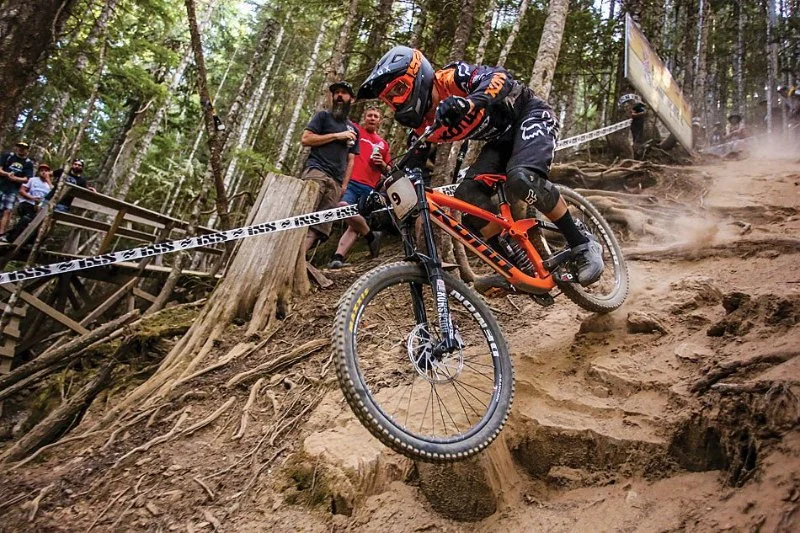
Technical downhills are some of the most challenging and exciting parts of mountain biking. These rides involve steep, rugged, and often unpredictable terrain, requiring specific skills and techniques to navigate safely. Unlike regular downhill riding, technical downhills are characterized by obstacles such as rocks, roots, drops, and tight turns. Understanding the nature of this type of riding is essential for maintaining control and reducing the risk of injury. Riders must be prepared for sudden changes in the trail and adapt to a wide range of conditions, from smooth descents to rough, rocky paths.
2. Key Safety Considerations
Safety should always be the top priority when riding technical downhills. Here are some important considerations to keep in mind:
- Wear Proper Protective Gear: Always wear a full-face helmet, knee and elbow pads, gloves, and other protective gear. A well-fitted helmet is crucial for protecting against head injuries, and pads can prevent bruises and fractures on tough terrain.
- Inspect Your Bike: Before heading out, make sure your bike is in good condition. Check tire pressure, brake functionality, and suspension settings. A well-maintained bike will give you more control and reduce the likelihood of mechanical failures during your ride.
- Choose the Right Trail: Ensure you choose trails that match your skill level. Technical downhills can be demanding, so it’s essential to ride within your capabilities. Start with less challenging trails and work your way up as your skills improve.
3. Proper Body Positioning
Proper body positioning is critical for maintaining control when riding technical downhills. Here’s how to position yourself effectively:
- Keep Your Arms and Legs Slightly Bent: A relaxed, slightly bent posture allows your body to absorb shocks from the trail. This helps you maintain control over your bike and respond quickly to changes in terrain.
- Stay Low and Centered: Lowering your body and keeping your weight centered over the bike helps you stay balanced. Avoid leaning too far forward or backward, as this can make you lose control during descents.
- Look Ahead: Always focus on the trail ahead of you rather than looking directly down at your front wheel. This gives you time to react to obstacles and make adjustments to your speed or direction.
4. How to Handle Obstacles and Tight Corners
When riding technical downhills, you will encounter obstacles like rocks, roots, and tree branches. Additionally, tight corners can challenge your ability to maintain speed and control. Here’s how to handle these elements:
- Approach Obstacles with Caution: When you approach rocks or roots, try to lift your front wheel slightly to avoid hitting them directly. Use your arms to absorb the shock and keep your balance.
- Navigate Tight Corners: For tight corners, lean your bike into the turn while keeping your body upright. Look through the corner to prepare for the exit and use your inside pedal to avoid hitting the ground.
- Use Your Brakes Smartly: When approaching obstacles, gently use your rear brake for control rather than slamming on both brakes. This will help maintain balance and reduce the chance of slipping.
5. Braking and Speed Control Techniques
Speed control is key to staying safe while riding technical downhills. Here are some tips on how to brake effectively and manage your speed:
- Use Both Brakes: For optimal control, use both the front and rear brakes. However, avoid using the front brake too aggressively on steep descents, as it can cause you to lose control.
- Feather the Brakes: Rather than squeezing the brakes hard, use a light and controlled braking technique. This allows you to maintain speed and control while preventing skidding or over-braking.
- Brake Early: Anticipate corners and obstacles by applying the brakes well in advance. This will give you more time to adjust and maintain control during your descent.
6. Gear and Bike Setup for Technical Downhills
Having the right gear and bike setup can significantly improve your downhill riding experience. Here are some tips on setting up your bike for technical descents:
- Use a Full-Suspension Bike: A full-suspension bike is ideal for technical downhills as it helps absorb the shocks from rough terrain and provides better traction. Ensure that your suspension is properly tuned to your weight and riding style.
- Opt for Wider Tires: Wider tires offer more grip and stability on loose or rocky trails. They also help absorb shocks better, reducing the risk of punctures and providing a smoother ride.
- Adjust Your Gearing: Choose a gear ratio that allows for efficient pedaling during the climb and decent speed control during the descent. Avoid overly high gears, as they can cause you to lose power when you need it most.





 E-LUX Electric Bikes4.0 (118 reviews)
 Cycle Quest4.0 (88 reviews)
 All About Bikes4.0 (60 reviews)
 Pats 605 Cyclery4.0 (196 reviews)
 The YT MILL, San Clemente4.0 (133 reviews)
 Trek Bicycle Research4.0 (520 reviews)
 How to Teach Kids to Ride a Bike: A Step-by-Step Guide for Parents
 Tips for Riding on Busy City Streets: Smart Strategies for Urban Cyclists
 Best US National Parks for Mountain Biking: Ride Epic Trails Across America
 Best Aero Helmets for Time Trials and Racing
 How to Clean and Lubricate Your Bike Chain Like a Pro
 10 Must-Have Items for Long-Distance Cycling Trips