

1. Understanding Hip Pain in Cyclists
Hip pain is a common complaint among cyclists, especially those who frequently ride long distances. While cycling is an excellent form of cardiovascular exercise, it can put significant strain on your hips, leading to discomfort or even injury over time. Understanding the causes and symptoms of hip pain is the first step in preventing it from interfering with your cycling performance and enjoyment.
Hip pain during cycling can range from mild discomfort to more severe pain, and it may occur either during or after a ride. Identifying the root cause of your hip pain is crucial for effective prevention and treatment.
2. Common Causes of Hip Pain from Long-Distance Cycling
Several factors contribute to hip pain in cyclists, particularly those who engage in long-distance riding. Here are the most common causes:
- Poor Bike Fit: One of the leading causes of hip pain is improper bike fit. If your saddle is too high, too low, or too far forward or backward, it can alter your riding position, causing unnecessary stress on your hips.
- Overuse: Long-distance cycling places repetitive strain on the hip joints. Overuse without proper rest and recovery can lead to inflammation and pain.
- Muscle Imbalances: Weak or tight muscles around the hips and pelvis can contribute to pain. For example, tight hip flexors or weak glute muscles can affect your riding posture and increase the strain on your hips.
- Incorrect Pedaling Technique: Pedaling with improper form, such as using a high cadence or excessive force, can place undue stress on the hip joints and lead to pain.
Understanding these common causes can help you take proactive steps to avoid hip pain during long-distance cycling.
3. How to Prevent Hip Pain While Cycling Long Distances
Preventing hip pain requires a combination of proper technique, equipment, and self-care. Here are several effective strategies to help you avoid hip pain while cycling:
- Warm-Up and Cool Down: Always start your rides with a proper warm-up and end with a cool-down. Stretching and gentle movement before and after cycling can help prevent stiffness and injury.
- Gradual Training Progression: Avoid jumping into long-distance rides too quickly. Gradually increase your cycling distance to allow your body, particularly your hips, to adapt to the demands of long rides.
- Proper Nutrition and Hydration: Staying hydrated and maintaining good nutrition helps keep your muscles and joints functioning optimally. Dehydration and poor nutrition can lead to muscle cramps and joint pain.
- Take Regular Breaks: On long rides, it’s essential to take regular breaks. Get off your bike, stretch your legs, and give your hips a chance to relax and recover before continuing.
Incorporating these practices into your cycling routine can significantly reduce your risk of developing hip pain during long-distance rides.
4. The Importance of Proper Bike Fit to Prevent Hip Pain
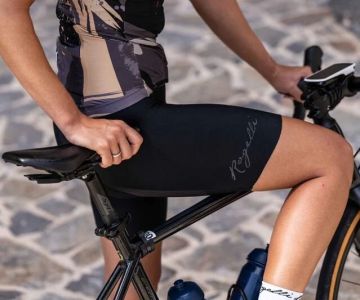
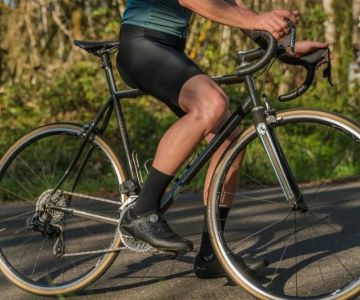
One of the most critical factors in preventing hip pain while cycling is ensuring your bike fits properly. A well-fitted bike reduces the risk of unnecessary strain on your hips and enhances overall comfort during long rides.
Here’s what you should focus on when adjusting your bike:
- Saddle Height: The height of your saddle plays a crucial role in hip comfort. If the saddle is too high or too low, it can cause excessive flexion or extension of the hips, leading to pain.
- Saddle Position: The saddle should be positioned so that your knees are aligned properly with the pedals. Too far forward or backward can cause undue stress on the hip joints.
- Handlebar Height: Ensure that your handlebars are at a comfortable height, so you’re not leaning too far forward, which can affect your posture and put stress on your hips.
- Cleat Position: The position of your pedals and cleats should allow for smooth and efficient pedaling without excessive strain on your hips.
If you’re unsure about your bike fit, consider getting a professional fitting. Many bike shops offer fitting services to optimize your bike setup for maximum comfort and performance.
5. Stretching and Exercises for Hip Health
Incorporating stretching and strengthening exercises into your routine is essential for maintaining hip health and preventing pain. Here are some effective exercises for cyclists:
- Hip Flexor Stretches: Stretching the hip flexors can help prevent tightness, which is a common cause of hip pain. Perform lunges or pigeon stretches to loosen up these muscles.
- Glute Bridges: Strengthening your glutes can help support your hips during cycling. Glute bridges are a simple exercise that targets the glutes and lower back muscles.
- Hip Abductor Exercises: Strengthening the muscles on the outside of your hips can improve stability and reduce the risk of pain. Side leg raises or clamshell exercises are excellent for this purpose.
- Hamstring Stretches: Tight hamstrings can contribute to hip discomfort. Incorporating hamstring stretches, such as standing or seated stretches, can help alleviate tightness.
Regular stretching and strengthening exercises will improve flexibility and support the muscles around your hips, reducing the risk of pain during and after long rides.
6. Real-Life Case: Overcoming Hip Pain in Cycling
Consider the case of John, a long-distance cyclist who began experiencing hip pain during his rides. At first, the pain was manageable, but over time, it worsened, making it difficult for him to complete his usual distance. After consulting with a bike fitter and adjusting his saddle height, John also began incorporating targeted stretches for his hip flexors and strengthening exercises for his glutes. Within a few weeks, the pain had significantly reduced, and he was able to return to his regular cycling routine without discomfort.
John’s story is a great example of how making small adjustments to your bike fit, improving your flexibility, and following a proper exercise routine can help prevent and alleviate hip pain in cycling.
For more tips and advice on cycling gear, health, and fitness, visit Cycling Guider, where we offer expert recommendations to enhance your cycling experience.



 Alan's Bicycle Center4.0 (208 reviews)
 Electric Riders4.0 (17 reviews)
 Atlanta Cycling - Alpharetta5.0 (85 reviews)
 Sandorf Pump Track4.0 (2 reviews)
 Fly Rides USA4.0 (133 reviews)
 Mill Race Cyclery4.0 (161 reviews)
 How to Teach Kids to Ride a Bike: A Step-by-Step Guide for Parents
 Tips for Riding on Busy City Streets: Smart Strategies for Urban Cyclists
 Best US National Parks for Mountain Biking: Ride Epic Trails Across America
 Best Aero Helmets for Time Trials and Racing
 How to Clean and Lubricate Your Bike Chain Like a Pro
 10 Must-Have Items for Long-Distance Cycling Trips