
- 1-Understanding Trail Obstacles: Streams, Roots, and Mud
- 2-Proper Preparation for Crossing Obstacles
- 3-How to Cross Streams, Roots, and Mud Safely
- 4-Practical Tips from Experienced Mountain Bikers
- 5-Recommended Gear for Tackling Trail Obstacles
1-Understanding Trail Obstacles: Streams, Roots, and Mud
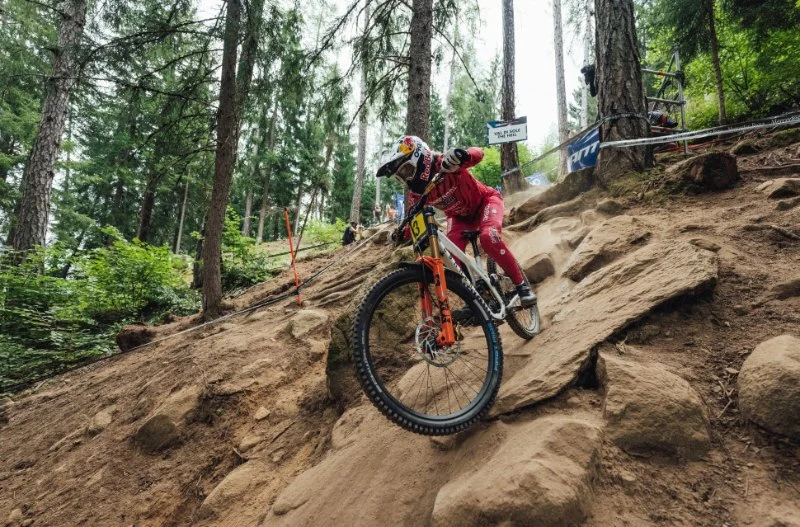
Mountain biking is an exciting and rewarding sport, but it also comes with its fair share of challenges. Navigating streams, roots, and mud can be some of the trickiest obstacles you’ll face on the trail. Understanding these obstacles is the first step to tackling them effectively.
Streams can vary in size and depth, and their currents can be strong enough to affect your bike’s stability. Roots, while often less intimidating, can be surprisingly dangerous when wet or hidden beneath leaves. Mud, on the other hand, presents a unique challenge, as it can slow you down and cause your tires to lose traction.
2-Proper Preparation for Crossing Obstacles
Preparation is key when dealing with streams, roots, and mud on mountain bike trails. Here are some things to keep in mind before heading out:
- Know the Trail Conditions: Before you ride, check trail conditions and weather forecasts. If you’re heading out after heavy rain, be prepared for muddy conditions, which can make navigating trickier.
- Warm-Up and Practice: Familiarize yourself with your bike’s handling and practice on easier obstacles before tackling streams and deep mud. It’s crucial to be comfortable with your bike’s handling in various conditions.
- Ride with a Group: If possible, ride with a group. They can offer support, share tips, and help if you encounter difficulty crossing an obstacle.
3-How to Cross Streams, Roots, and Mud Safely
Now that you’re prepared, it’s time to learn the best methods for crossing streams, roots, and mud:
Crossing Streams
Crossing streams on a mountain bike can be intimidating, but with the right approach, you can do it safely. Here are a few tips:
- Check the Water Depth: Always check the depth and current before crossing. If the water is too deep or the current is too strong, it’s better to walk your bike through or find an alternative route.
- Keep Pedals High: When crossing, keep your pedals high to avoid getting them caught in the water. Focus on maintaining a steady cadence, and ride slowly to avoid splashing.
- Use the Right Gear: Lower gears provide more control, so shift to a lower gear before crossing the stream.
Handling Roots
Roots on the trail can be tricky, especially when they’re hidden by leaves or covered in mud. To handle them properly:
- Stand Up: When approaching a root, stand up on your pedals and keep your body centered. This will help you absorb the impact and maintain control.
- Use Your Brakes Wisely: Don’t brake hard while crossing roots, as this can cause your wheels to skid. Instead, maintain a steady speed and use light braking if necessary.
- Look Ahead: Always look ahead to spot roots early. This will give you time to adjust your body position and avoid sudden jolts.
Navigating Mud
Riding through mud can be frustrating, but it’s all about traction and momentum. Here’s how to get through it:
- Keep Your Speed: Momentum is your friend when riding through mud. If you slow down too much, you risk losing traction, so try to maintain a steady speed without going too fast.
- Choose Your Line: Look for the driest path through the mud. Try to avoid deep, soft spots that will swallow your tires.
- Don’t Panic: If your tires start to slip, don’t panic. Try to keep steady and focused on keeping your balance as you ride through the mud.
4-Practical Tips from Experienced Mountain Bikers
Experienced mountain bikers often face tough obstacles and know how to handle them effectively. Here are some practical tips from seasoned riders:
- Stay Relaxed: Tension in your body can affect your balance and control. Try to stay relaxed, even when things get challenging.
- Use Your Body: Your body plays a huge role in maintaining control. Use your arms and legs to help steer your bike through tough spots.
- Walk if Necessary: If an obstacle feels too challenging or dangerous, don’t hesitate to get off your bike and walk it through the obstacle.
5-Recommended Gear for Tackling Trail Obstacles
Having the right gear can make all the difference when tackling trail obstacles. Here are some essential items that can help:
- Mountain Bike Tires: Choose tires with a good tread pattern designed for the specific trail conditions you’ll be riding on. Wider tires are ideal for muddy or rocky terrain.
- Protective Gear: Helmets, gloves, and knee pads are essential for safety when riding through rough trails. Consider investing in high-quality protective gear to keep yourself safe.
- Waterproof Clothing: Mud and water can quickly soak through your clothing, so waterproof jackets and pants are a good investment for rainy or muddy days on the trail.
If you’re looking for the best mountain biking gear for crossing streams, roots, and mud, visit Cycling Guider for a wide selection of equipment and accessories tailored to your needs.




 Billet BMX5.0 (2 reviews)
 Far East Children Bicycle Factory1.0 (1 reviews)
 Archer Motorsports, Inc.4.0 (8 reviews)
 YEP Bike Works4.0 (55 reviews)
 Gorham Bike & Ski4.0 (498 reviews)
 Alchemy Bikes4.0 (37 reviews)
 How to Teach Kids to Ride a Bike: A Step-by-Step Guide for Parents
 Tips for Riding on Busy City Streets: Smart Strategies for Urban Cyclists
 Best US National Parks for Mountain Biking: Ride Epic Trails Across America
 Best Aero Helmets for Time Trials and Racing
 How to Clean and Lubricate Your Bike Chain Like a Pro
 10 Must-Have Items for Long-Distance Cycling Trips