
- Why Leather Bike Accessories Need Special Care
- How to Clean Leather Bike Accessories
- Storing Leather Bike Gear Properly
- Common Mistakes to Avoid When Caring for Leather Bike Accessories
- Case Study: Restoring Old Leather Bike Gear
- Recommended Products for Cleaning and Storing Leather Bike Accessories
Why Leather Bike Accessories Need Special Care
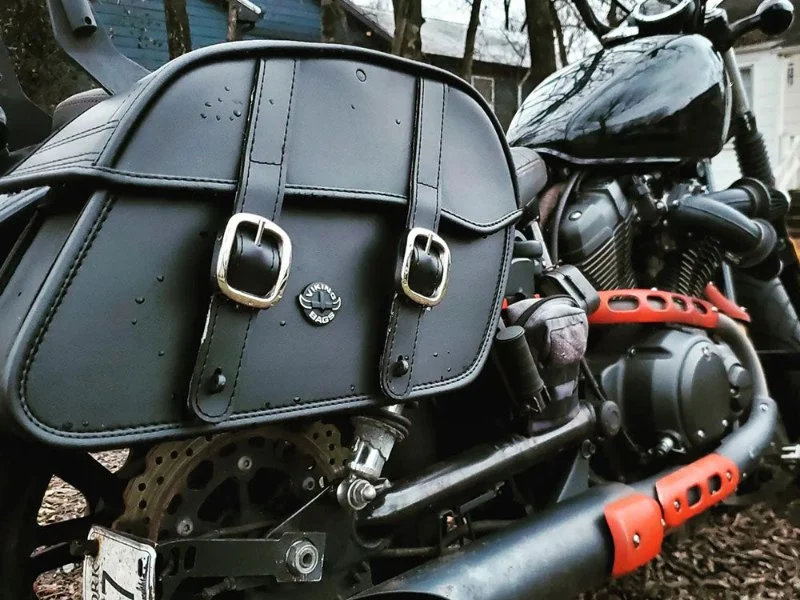
Leather bike accessories, such as saddlebags, handlebar grips, and seat covers, are not only durable but also stylish. However, leather requires special care to maintain its quality and appearance over time. Unlike synthetic materials, leather is natural and can deteriorate if exposed to harsh conditions without proper care.
Why Leather Is a Popular Choice for Bike Gear
Leather offers a unique combination of durability and aesthetics. It's resistant to wear and tear, making it ideal for bike accessories that undergo frequent use. Moreover, leather develops a beautiful patina over time, which adds to its charm. But, to ensure that your leather bike accessories maintain their durability and elegance, regular cleaning and storage are crucial.
How to Clean Leather Bike Accessories
Proper cleaning of your leather bike gear will keep it in top condition. Here’s a step-by-step guide on how to clean leather bike accessories effectively:
1. Gather the Right Cleaning Supplies
Before you start, ensure you have the proper tools. You will need a soft cloth, a leather cleaner, a conditioner, and a brush. Avoid using harsh chemicals that can strip the natural oils from the leather.
2. Dust Off and Wipe the Leather
Start by using a soft brush or cloth to remove dirt and dust from the leather surface. This step is essential to prevent the buildup of grit that could scratch or damage the leather when cleaning.
3. Use a Leather Cleaner
Apply a small amount of leather cleaner to a damp cloth and gently wipe the surface of the leather. Be sure to follow the product instructions to avoid damaging the material. For stubborn stains, use a soft-bristled brush to gently scrub the area.
4. Condition the Leather
Once the leather is clean, apply a leather conditioner to restore its moisture and flexibility. Leather can dry out over time, especially when exposed to the elements, so conditioning it is key to maintaining its strength and preventing cracks.
5. Dry the Leather Properly
After cleaning and conditioning, allow the leather to dry naturally. Never use direct heat, such as a hairdryer, as it can dry out the leather and cause it to crack. Let it air dry in a well-ventilated area away from direct sunlight.
Storing Leather Bike Gear Properly
Proper storage is essential to keep your leather bike accessories in good condition. Whether you're storing your gear for the offseason or just when it's not in use, here’s how to ensure your leather stays protected:
1. Store in a Cool, Dry Place
Leather should never be stored in hot or damp environments, as these conditions can cause it to warp or develop mold. Instead, store your leather bike accessories in a cool, dry place, away from direct sunlight and humidity.
2. Use Dust Bags or Boxes
When not in use, store your leather gear in dust bags or boxes to protect it from dust and dirt. This also helps keep the leather from becoming scratched or scuffed during storage.
3. Avoid Hanging Heavy Leather Gear
For larger items like leather saddlebags, avoid hanging them on hooks or nails for long periods, as this can distort the shape of the leather. Instead, store them flat or on a shelf to maintain their form.
4. Keep Leather Away from Sharp Objects
Sharp objects can puncture leather, so be mindful of what your bike gear is stored with. Avoid placing it near tools, bikes, or anything that could cause damage.
Common Mistakes to Avoid When Caring for Leather Bike Accessories
Even experienced cyclists can make mistakes when it comes to caring for their leather bike gear. Here are some common errors to avoid:
1. Using the Wrong Cleaning Products
Many people make the mistake of using harsh cleaning agents or household cleaners on leather, which can strip the material of its natural oils and cause it to dry out. Always use products designed specifically for leather care.
2. Over-Conditioning
While conditioning leather is essential, over-conditioning can lead to an oily residue or attract dust and dirt. A light, even layer of conditioner is usually enough.
3. Storing Leather in Plastic
Plastic can trap moisture and lead to mold and mildew growth on leather. Always store your leather bike gear in breathable materials such as cloth dust bags.
Case Study: Restoring Old Leather Bike Gear
A cyclist in the UK recently found his old leather bike saddle had developed cracks and discoloration after years of neglect. After following the steps of cleaning, conditioning, and proper storage, the saddle was restored to its original condition. Not only did this extend the life of his leather gear, but it also saved him money on purchasing a new saddle.
Recommended Products for Cleaning and Storing Leather Bike Accessories
At Cycling Guider, we offer a range of high-quality products designed to help you clean, maintain, and store your leather bike accessories:
- Leather Cleaner: A gentle formula that removes dirt and stains without damaging the leather.
- Leather Conditioner: Restores moisture and flexibility to prevent cracking and dryness.
- Storage Bags: Protective dust bags to keep your leather bike gear safe from dirt and damage during storage.
Visit Cycling Guider to browse our full range of leather care products and ensure your bike gear stays in top condition.


 Cycle World Bike4.0 (17 reviews)
 Upway Los Angeles4.0 (100 reviews)
 Brumell's Cycling & Fitness4.0 (36 reviews)
 Joe Bike4.0 (227 reviews)
 Alan Gorman Bicycle Specialist5.0 (224 reviews)
 Linus at Luft4.0 (26 reviews)
 How to Teach Kids to Ride a Bike: A Step-by-Step Guide for Parents
 Tips for Riding on Busy City Streets: Smart Strategies for Urban Cyclists
 Best US National Parks for Mountain Biking: Ride Epic Trails Across America
 Best Aero Helmets for Time Trials and Racing
 How to Clean and Lubricate Your Bike Chain Like a Pro
 10 Must-Have Items for Long-Distance Cycling Trips